A salesforce health cloud consultant turns healthcare operating requirements into a secure Salesforce design. The role covers discovery, the healthcare data model, identity and access, integrations, care workflows, testing, deployment, and adoption. Salesforce now uses the name Agentforce Health for Health Cloud in parts of its documentation, although many orgs, contracts, and job descriptions still use Health Cloud.
This guide separates the Health Cloud implementation role from the Salesforce Certified Service Cloud Consultant credential. The products overlap around cases, contact-center work, knowledge, routing, and digital channels, but they are not the same specialization.
What does a Salesforce Health Cloud consultant do?
A salesforce health cloud consultant designs how Salesforce supports healthcare or life-sciences processes without treating the CRM as the clinical system of record. In a provider implementation, the consultant may map patient access, referral management, care coordination, utilization workflows, provider relationships, and service-center operations. In a payer implementation, the scope may include member services, care management, provider network processes, and claims-related interactions.
The work usually spans six responsibilities:
- Discovery: document personas, current-state systems, consent rules, service-level targets, clinical boundaries, and reporting needs.
- Solution design: select standard Health Cloud objects, Salesforce platform features, OmniStudio components, and integration patterns before proposing custom objects or code.
- Security: design least-privilege access using licenses, permission sets, permission set groups, sharing, restriction rules where supported, field-level security, and audit controls.
- Data and integration: map source data to the Health Cloud data model and define API, event, middleware, and batch patterns.
- Delivery: manage configuration, development, test data, environment promotion, cutover, and rollback planning.
- Adoption: prepare role-based training, support procedures, data-quality ownership, and operational dashboards.
| Consulting area | Typical design question | Evidence expected |
|---|---|---|
| Patient or member identity | How will records from multiple systems be matched without unsafe merges? | Identity rules, survivorship rules, duplicate controls, reconciliation process |
| Clinical and nonclinical data | Which information belongs in Salesforce and which remains in the EHR or claims platform? | System-of-record matrix and field-level data classification |
| Care operations | How are goals, tasks, barriers, and team assignments represented? | Process model, object mapping, status model, automation design |
| Service operations | How are inquiries routed, escalated, and resolved? | Case lifecycle, queues, routing rules, entitlement decisions, channel design |
| Compliance | Who can see sensitive data and how is access reviewed? | Access matrix, sharing design, audit plan, test cases |
How should a Salesforce Health Cloud consultant plan an implementation?
A reliable implementation starts with boundaries, not screens. Define which workflows Salesforce will own, which source systems remain authoritative, and which data can be stored or displayed. The official setup sequence begins with planning, licensing and permissions, package or feature setup where applicable, and then feature-specific configuration.
1. Establish scope and regulatory boundaries
List each business process, user group, region, data class, and source system. Mark protected or sensitive fields before creating page layouts or integration mappings. Salesforce provides platform security controls, but the customer remains responsible for configuring the service to meet its legal, contractual, and organizational obligations.
2. Confirm the product and licensing model
Health Cloud capabilities vary by edition, industry product, add-on, and enabled feature. Confirm licenses in the target org before designing around an object or component. Do not assume a feature visible in a demo org exists in the customer subscription.
3. Map the healthcare data model
Use Salesforce’s Health Cloud Developer Guide and Data Model Gallery to identify standard objects before adding custom schema. Health Cloud includes platform objects, healthcare data model objects, and, in some implementations, managed-package objects. A salesforce health cloud consultant should document the purpose, owner, source, retention rule, sharing behavior, and integration direction for every object in scope.
4. Design integrations around ownership and latency
Choose the integration pattern after answering four questions: who owns the data, how quickly it must arrive, how failures are retried, and how duplicates are prevented. Common options include REST APIs for request-response work, Platform Events for event-driven updates, Change Data Capture for record-change notifications, and Bulk API for large asynchronous loads. Middleware is often appropriate when messages require transformation, orchestration, replay, or monitoring across several systems.
FHIR support does not mean every healthcare integration becomes a direct point-to-point FHIR connection. Define the supported resource version, canonical mapping, identifier strategy, error model, consent requirements, and source-of-truth rules.
5. Build security before automation
Start with organization-wide defaults and record ownership, then add role hierarchy behavior, sharing rules, teams, queues, or program-specific access. Use permission sets and permission set groups for functional access. Validate object permissions and field-level security separately from record sharing; access to a record does not automatically grant access to every field.
For Apex, enforce object and field permissions with an appropriate mechanism such as user-mode database operations or Security.stripInaccessible, depending on the use case and API version. Avoid presenting Apex with sharing as a complete security solution: it enforces record-level sharing but does not by itself enforce CRUD or field-level security.
public with sharing class CareRequestService {
    @AuraEnabled(cacheable=true)
    public static List<Case> getOpenCareRequests(Id accountId) {
        if (accountId == null) {
            return new List<Case>();
        }

        // USER_MODE enforces sharing, object permissions, and field access
        // for this query. Confirm API-version support in the target org.
        return [
            SELECT Id, CaseNumber, Subject, Status, Priority
            FROM Case
            WHERE AccountId = :accountId
              AND IsClosed = false
            WITH USER_MODE
            ORDER BY CreatedDate DESC
            LIMIT 50
        ];
    }
}
Governor-limit note: keep SOQL outside loops, return only required fields, apply selective filters, and cap interactive queries. For high-volume workloads, review data distribution, indexes, ownership skew, and asynchronous processing before production deployment.
How do Health Cloud and Service Cloud fit together?
Health Cloud supplies healthcare-specific data models and workflows, while Service Cloud supplies many service-management capabilities used by healthcare contact centers. A provider service center may use Cases, Knowledge, Omni-Channel, queues, entitlements, messaging, and telephony alongside patient or provider data from Health Cloud.
| Requirement | Primary capability | Consultant concern |
|---|---|---|
| Patient or member profile | Health Cloud healthcare data model | Identity, source ownership, consent, visibility |
| Inquiry and issue tracking | Service Cloud Case Management | Status model, assignment, escalation, audit trail |
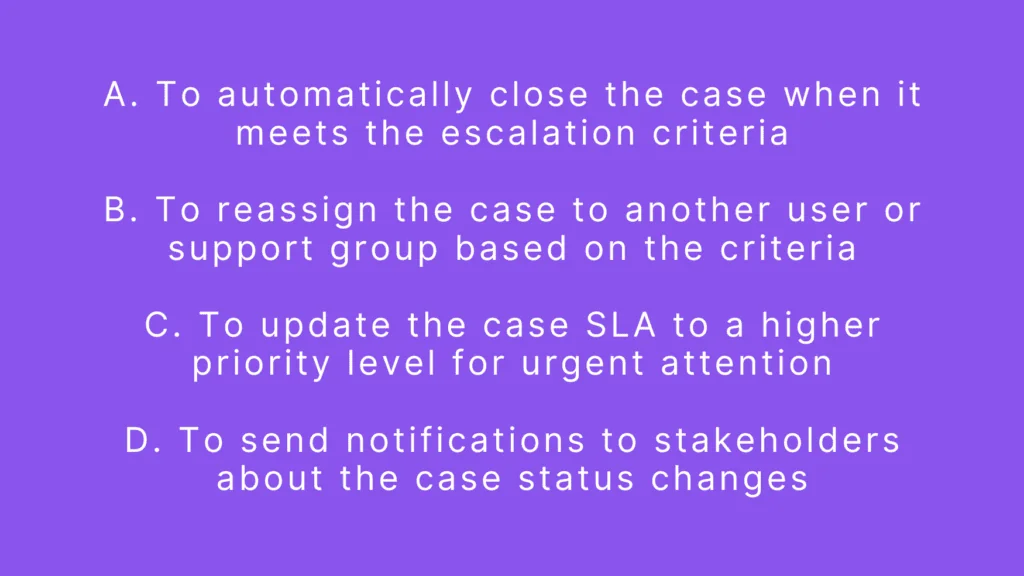
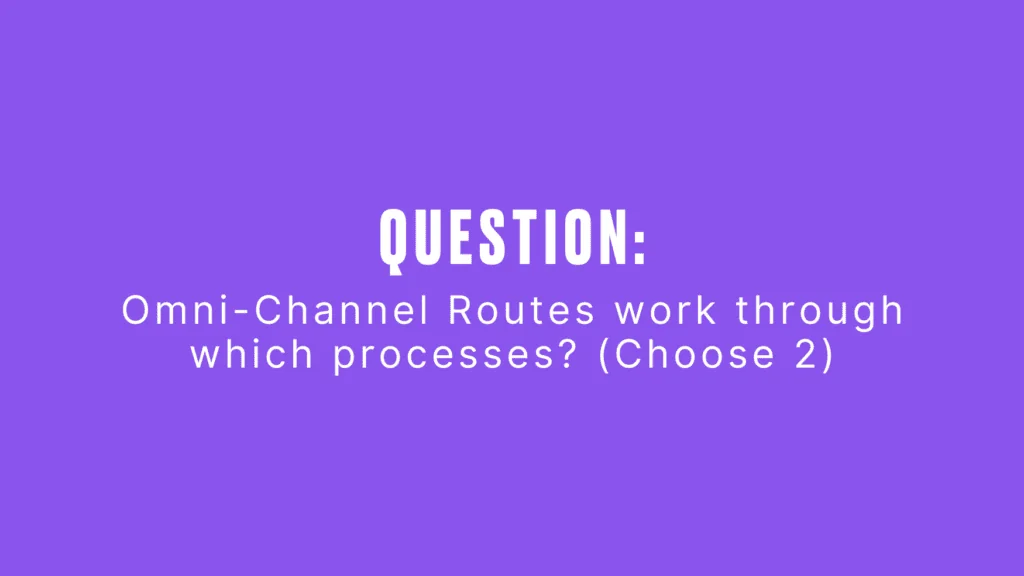
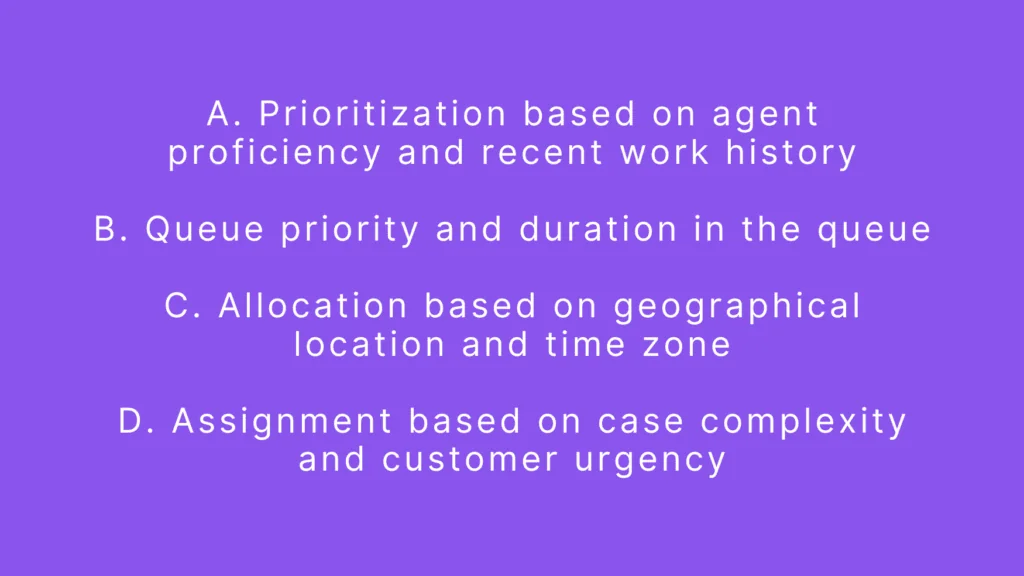
| Agent workload distribution | Omni-Channel | Capacity, routing configuration, presence, fallback |
| Guided intake | OmniStudio or Salesforce Flow | Validation, save/resume, integration errors, accessibility |
| Knowledge answers | Salesforce Knowledge | Data categories, review process, audience access, versioning |
Service cloud implementation guide for healthcare teams
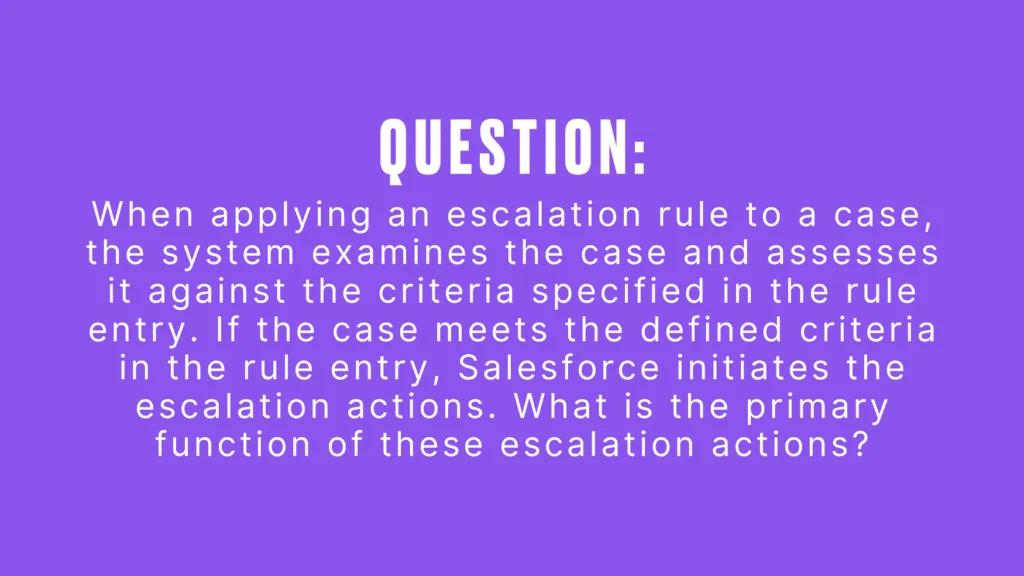
A practical service cloud implementation guide for a healthcare contact center should cover intake channels, case classification, routing, escalation, knowledge, entitlements, supervisor visibility, and integration with patient or member context. Build the case taxonomy before automation. If categories overlap or change by channel, routing rules and reports become difficult to maintain.
- Define case types, origin values, priority rules, and closure requirements.
- Choose queues and ownership rules that match operational accountability.
- Configure Omni-Channel routing and capacity for the supported work items.
- Define escalation and entitlement behavior only after service targets are approved.
- Expose the minimum patient or member context required by each agent role.
- Test transfers, reassignment, reopened cases, failed integrations, and after-hours routing.
Which credentials support a Health Cloud consulting career?
Salesforce’s public consultant certification catalog includes the Salesforce Certified Service Cloud Consultant credential. Health Cloud expertise has also been assessed through the Health Cloud Accredited Professional program. Credential names, access rules, maintenance requirements, and exam outlines can change, so verify the current official credential page before registering.
SFDC Service Cloud certification path
The phrase sfdc service cloud certification normally refers to the Salesforce Certified Service Cloud Consultant credential. Salesforce currently lists the Salesforce Certified Platform Administrator credential as its prerequisite. The exam focuses on designing and implementing Service Cloud solutions, not on validating every Health Cloud data model or healthcare workflow.
Use the official exam guide and Trailhead preparation trailmix as the source of truth for exam domains, weights, delivery options, fees, retake rules, and maintenance. Do not rely on an old blog post for current exam numbers because Salesforce can revise the program.
Certified Service Cloud Consultant overlap
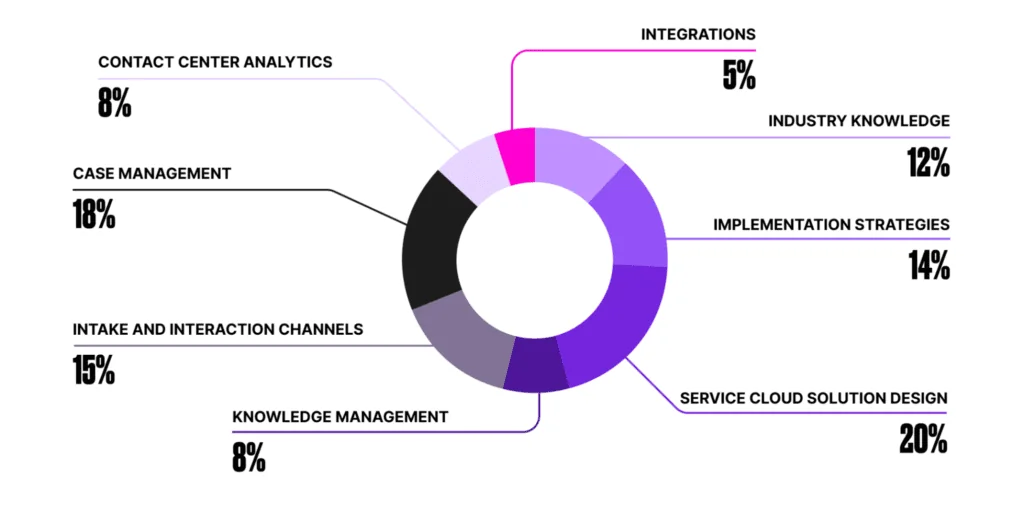
A certified service cloud consultant brings useful skills to Health Cloud programs: case management, intake channels, knowledge, Omni-Channel, contact-center analytics, integrations, implementation planning, and solution design. The credential does not replace healthcare-domain discovery, data-model knowledge, privacy analysis, or Health Cloud product experience.
Console certification: things that are harder
The query console certification: things that are harder usually points to scenario questions involving the service console rather than a separate Salesforce credential. The difficult decisions are rarely about finding a button. They involve choosing between queues and skills-based routing, setting agent capacity, handling transfers, exposing related records without over-sharing data, and deciding whether a requirement belongs in standard configuration, Flow, OmniStudio, or Apex.
What should a Health Cloud solution design contain?
A design document should be specific enough for another team to build and test the solution. At minimum, include:
- Business capabilities, personas, volumes, service levels, and out-of-scope items
- System context and systems of record
- Object and field mapping, identifiers, and data retention
- Record ownership, sharing, CRUD, field access, and permission assignments
- Integration contracts, authentication, retry, replay, monitoring, and reconciliation
- Automation inventory for Flow, OmniStudio, Apex, and scheduled processing
- Reporting definitions and data-quality controls
- Environment strategy, deployment sequence, cutover, rollback, and support ownership
In enterprise orgs, add a decision log. Record why the team selected a standard object, custom object, event, queue, or integration pattern. This prevents later teams from repeating discovery or reversing a decision without understanding its constraints.
How should a Salesforce Health Cloud consultant test the solution?
A salesforce health cloud consultant should treat security, integration failure, and data quality as first-class test areas. A successful happy-path demo does not prove production readiness.
| Test layer | Examples |
|---|---|
| Configuration | Required fields, validation rules, status transitions, queue assignment, page visibility |
| Security | Persona access, field masking, cross-program access, ownership changes, deactivated users |
| Integration | Duplicate messages, out-of-order updates, timeouts, invalid identifiers, partial failures |
| Volume | Large account relationships, case spikes, batch windows, reporting selectivity, ownership skew |
| Operations | Monitoring alerts, replay procedures, data correction, escalation, rollback |
| Accessibility | Keyboard use, labels, focus order, error messages, screen-reader behavior |
Apex deployments require at least 75% overall code coverage, but coverage alone is not a quality measure. Tests should assert bulk behavior, permission behavior where applicable, error handling, and expected database changes. Use realistic data factories and avoid tests that depend on org data unless the feature explicitly requires SeeAllData=true.
Common Health Cloud implementation mistakes
- Copying the EHR schema into Salesforce: this creates unnecessary storage, access, and synchronization problems. Store the information needed for the Salesforce workflow.
- Using custom objects before reviewing the standard model: this increases integration and reporting work and may block packaged features.
- Designing access from page layouts: page layouts are not a security boundary. Enforce object, field, and record access.
- Automating unstable processes: fix ownership and status definitions before building Flow or Apex.
- Ignoring failed-message operations: every interface needs monitoring, retry, reconciliation, and an owner.
- Mixing clinical decisions with CRM automation: keep clinical governance and system-of-record boundaries explicit.
- Treating certification as implementation proof: credentials support a baseline, while production work requires discovery, design reviews, testing, and release management.
Official Salesforce resources
Use the Health Cloud setup guidance, the Health Cloud Developer Guide, and the Salesforce Certified Service Cloud Consultant credential page as current reference points. Salesforce documentation now notes that Health Cloud is becoming Agentforce Health, so check the current product naming and release documentation during design.
Related SalesforceTutorial resources include Salesforce Service Cloud configuration, Salesforce case management, Salesforce security model, and Salesforce integration patterns.
Frequently Asked Questions
Is there a Salesforce Health Cloud Consultant certification?
Salesforce has offered a Health Cloud Accredited Professional assessment, while the public consultant certification catalog separately lists credentials such as Salesforce Certified Service Cloud Consultant. Verify the current credential catalog and eligibility before registering because Salesforce can change credential names and access.
Does a Health Cloud consultant need Service Cloud certification?
No universal Salesforce rule requires it for a Health Cloud project. The certified Service Cloud consultant path is useful when the implementation includes cases, Omni-Channel, knowledge, contact-center analytics, entitlements, or digital service channels.
What should I learn before implementing Health Cloud?
Learn Salesforce administration, security, data modeling, Flow, integration fundamentals, Service Cloud case management, and the Health Cloud data model. Add healthcare-domain knowledge for the customer segment, such as provider, payer, life sciences, or public health workflows.
Can Health Cloud replace an EHR system?
Health Cloud should not be assumed to replace an EHR. Define system-of-record responsibilities during architecture. Many implementations keep clinical documentation and clinical transactions in an EHR while Salesforce supports engagement, service, coordination, outreach, and related workflows.
What is the hardest part of a Health Cloud implementation?
The hardest work is usually aligning identity, data ownership, consent, security, and cross-system workflow behavior. Configuration becomes risky when those decisions are unresolved.