Agentforce for service is Salesforce’s service AI approach for support teams that need autonomous customer help and rep-facing guidance on Case records. It includes Agentforce Service Agent, Service Assistant, grounded service data, agent actions, and reporting that helps leaders measure whether AI is improving case resolution.
This guide explains where salesforce agent assist fits, when to use a salesforce agentforce service agent, how service intelligence salesforce reporting supports adoption, and why the query what is agent as a service usually describes an operating model rather than a single Salesforce SKU.
What is agentforce for service?
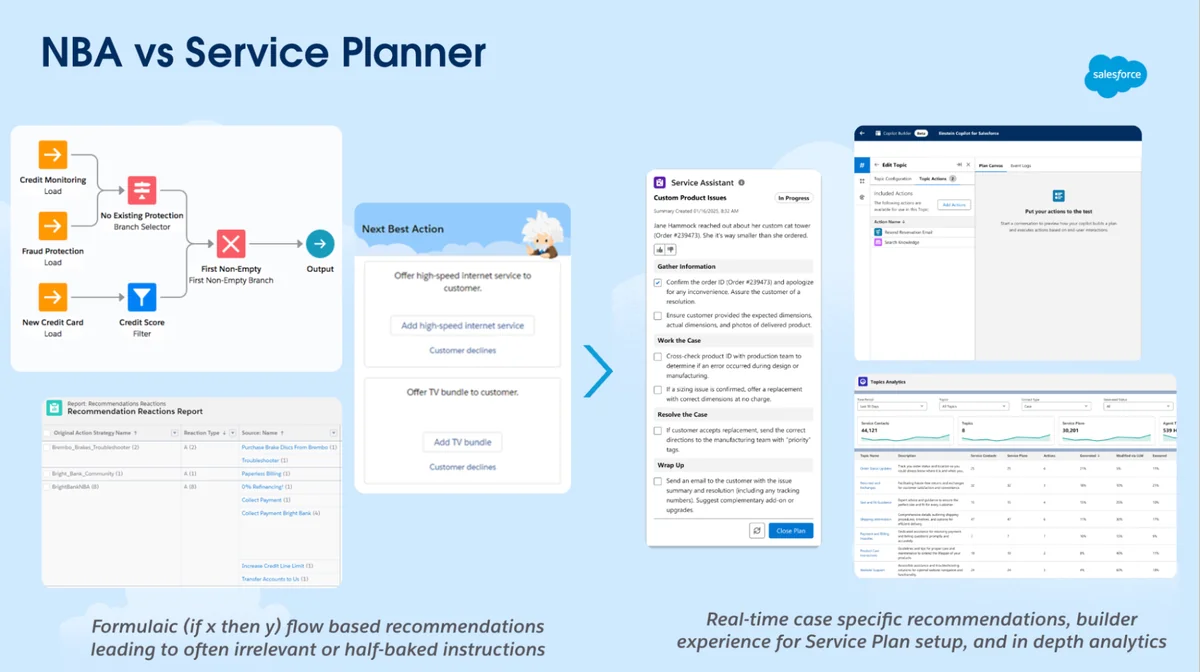
agentforce for service is the service-focused use of Agentforce to support customers and service reps with AI agents, grounded answers, service plans, and actions. Salesforce Trailhead describes Agentforce for Service as a conversational AI approach for service teams, with agents that can respond across digital channels and hand off work to human reps when needed. See the official Trailhead unit: Get Started with Agentforce for Service.
In enterprise orgs, agentforce for service should not start as a prompt-writing project. Start with the Case lifecycle, Knowledge quality, entitlement rules, Omni-Channel routing, escalation policy, and data access model. A password reset question may fit an autonomous service agent. A refund exception, legal-sensitive case, warranty dispute, or healthcare inquiry often needs a rep, but the rep can still use Service Assistant to summarize the case and generate a plan.
How agentforce for service fits into Service Cloud architecture
A production design should split service work into three lanes: self-service answers, autonomous service, and assisted human resolution. agentforce for service can support all three, but each lane needs different governance. For related implementation background, review our Service Cloud setup guide, Omni-Channel Salesforce routing guide, and Agentforce Salesforce overview.
| Capability | Best fit | Core Salesforce features | Risk to review |
|---|---|---|---|
| Agentforce Service Agent | Customer-facing autonomous support for repeatable issues | Messaging, Experience Cloud, Knowledge, Case, agent actions | Escalation logic, grounding, channel security |
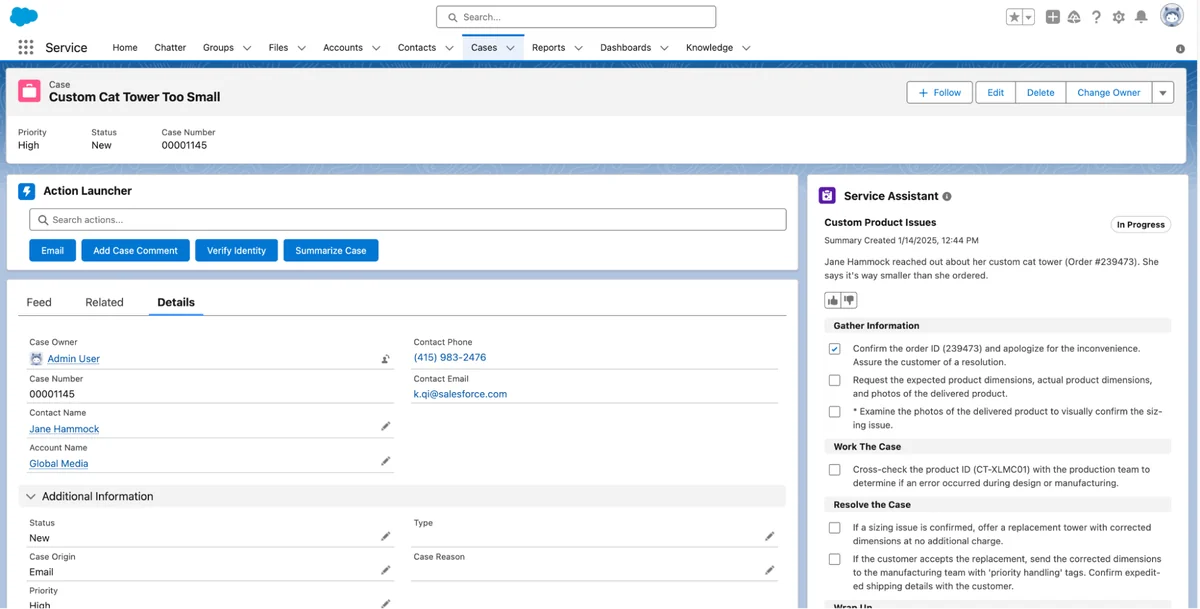
| Service Assistant | Rep-facing summary and plan guidance on Case records | Case, Case Email, Case Comments, Lightning App Builder, subagents, instructions | Eligibility rules, sensitive fields, rep feedback |
| Custom actions | Business-specific lookups, updates, and external calls | Flow, Apex invocable methods, prompt templates, external services | CRUD/FLS, governor limits, callout failures |
| Service Intelligence | Service KPI reporting and operational analytics | Data 360, CRM Analytics, Einstein Conversation Mining | Metric definitions, data readiness, dashboard access |
When should you use agentforce for service?
Use agentforce for service when the support process has a clear customer intent, an approved answer source, and a measurable outcome. Do not use agentforce for service to cover broken Knowledge articles, missing Case fields, or unclear escalation ownership.
| Use agentforce for service when… | Wait when… |
|---|---|
| The case category has repeatable questions and approved answers. | Every answer depends on manual manager judgment. |
| The Case record has enough fields, emails, comments, and Knowledge context. | Important context lives outside Salesforce with no governed access path. |
| You can write escalation rules before launch. | No team owns the handoff path after the agent reaches a limit. |
| You can monitor feedback, handle time, and customer outcomes. | The team has no baseline metrics for comparison. |
For many orgs, the first agentforce for service release should be Service Assistant for one Case record type. The second release can expand agentforce for service into autonomous service after transcript testing and escalation review.
Salesforce agent assist for human reps
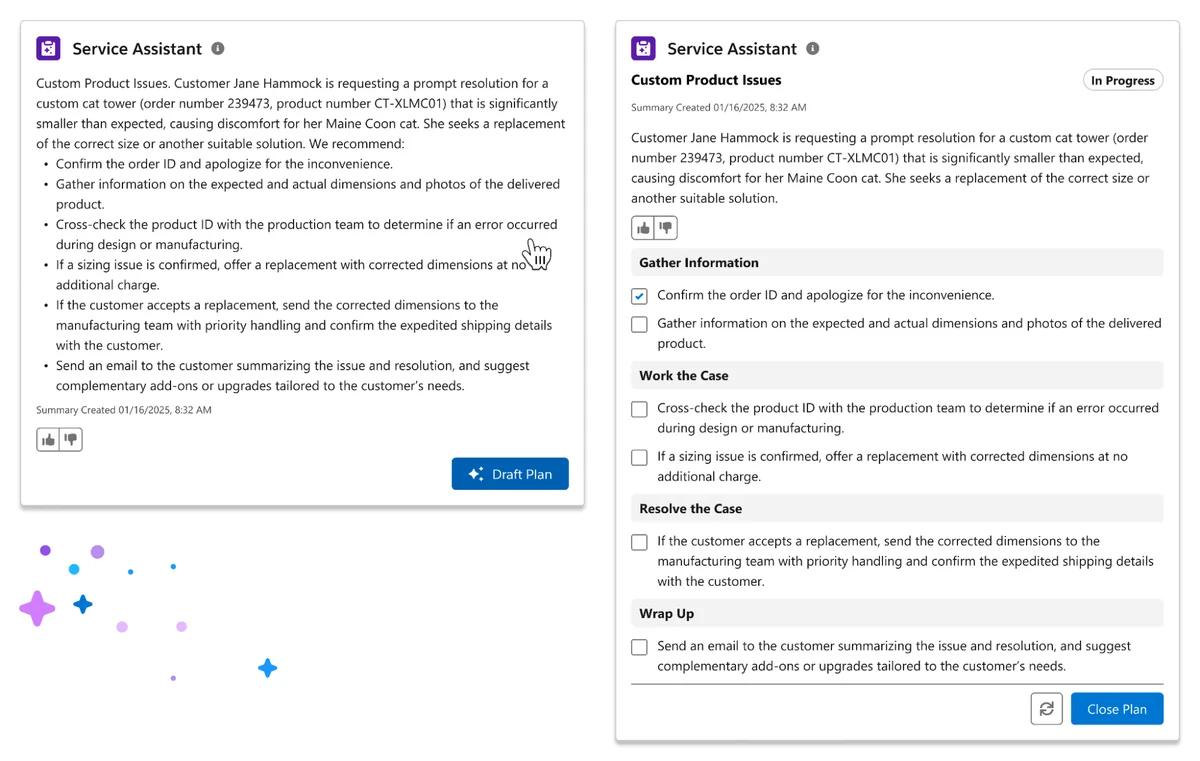
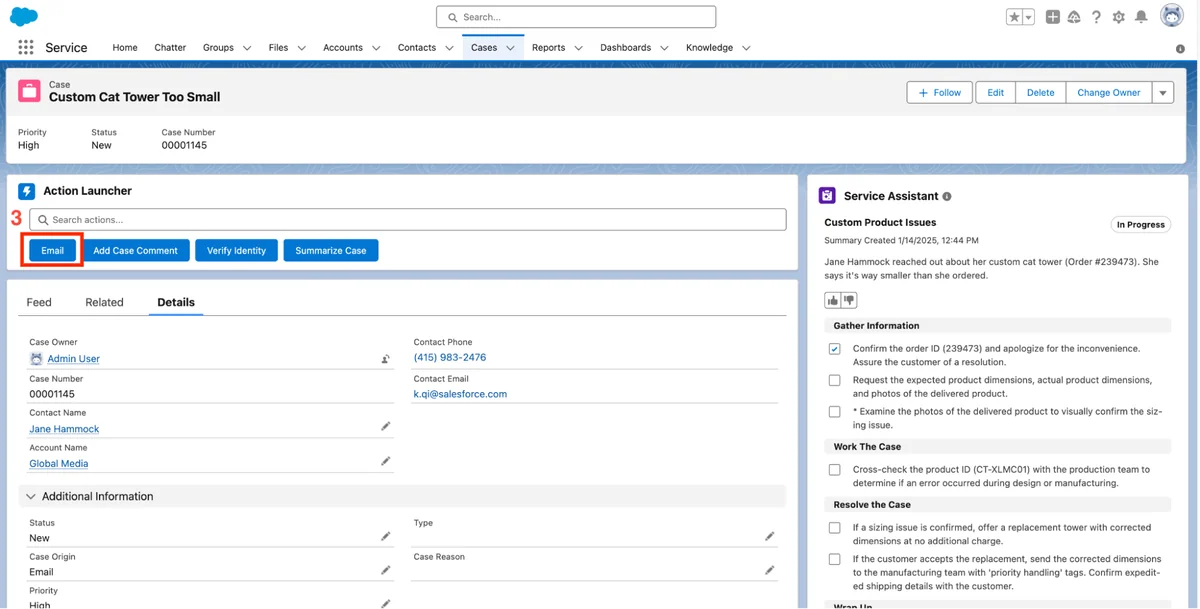
salesforce agent assist is the search term many admins use when they want AI to help the rep without removing the rep from the case. In an Agentforce project, salesforce agent assist usually means Service Assistant, summaries, suggested steps, grounded Knowledge, and actions the rep can review before sending a response.
The safest first rollout is often a salesforce agent assist scenario. The rep remains accountable, the plan stays visible on the Case record, and managers can compare handle time, escalation rate, and rep feedback before expanding automation.
Salesforce agentforce service agent for autonomous support
A salesforce agentforce service agent fits requests the customer can complete without a rep. Examples include policy questions, basic troubleshooting, product setup steps, appointment updates, and information collection before routing. Salesforce release documentation describes Service Agents as AI agents that process incoming support requests and escalate complex or sensitive work to live representatives.
Do not start a salesforce agentforce service agent with your hardest queue. Pick a high-volume case type where the source content is stable, the risk is low, and escalation criteria are clear. Then test transcripts, Knowledge references, field access, and handoff behavior before adding more topics.
Service intelligence salesforce reporting for adoption
service intelligence salesforce reporting helps service leaders review contact center metrics during and after rollout. Salesforce Help describes Service Intelligence as a data-driven solution that uses Data 360, CRM Analytics, and Einstein Conversation Mining to show service performance insights. Use service intelligence salesforce dashboards with Case reports and Agentforce feedback to inspect handle time, first-contact resolution, escalation quality, CSAT, and agent plan usefulness. Official reference: Improve Operations with Service Intelligence.
What is agent as a service in Salesforce terms?
what is agent as a service is not the clearest Salesforce product name. In a Salesforce architecture discussion, treat agent as a service as an operating pattern: an AI agent is configured, secured, monitored, improved, and governed like a service capability. The Salesforce product family is Agentforce, and the service-specific implementation is agentforce for service.
How to set up agentforce for service safely
Before enabling agentforce for service, confirm licenses, edition support, Data 360 requirements, feature availability, and the builder experience used by your org. Trailhead notes that the new Agentforce Builder became generally available in February 2026, while some Service Assistant training still points to legacy builder steps. Always verify Setup in the target org before writing deployment instructions.
- Choose one case category. Start with a support scenario that has enough volume to measure and low enough risk for a pilot.
- Clean Knowledge and policies. Remove stale articles, merge duplicates, and identify the approved answer source.
- Enable required AI features. Use Setup to enable the Agentforce and Einstein generative AI features that apply to your org. The official setup unit is Set Up Service Assistant.
- Create the correct agent type. Service Assistant and Service Agent solve different problems, so do not treat them as interchangeable.
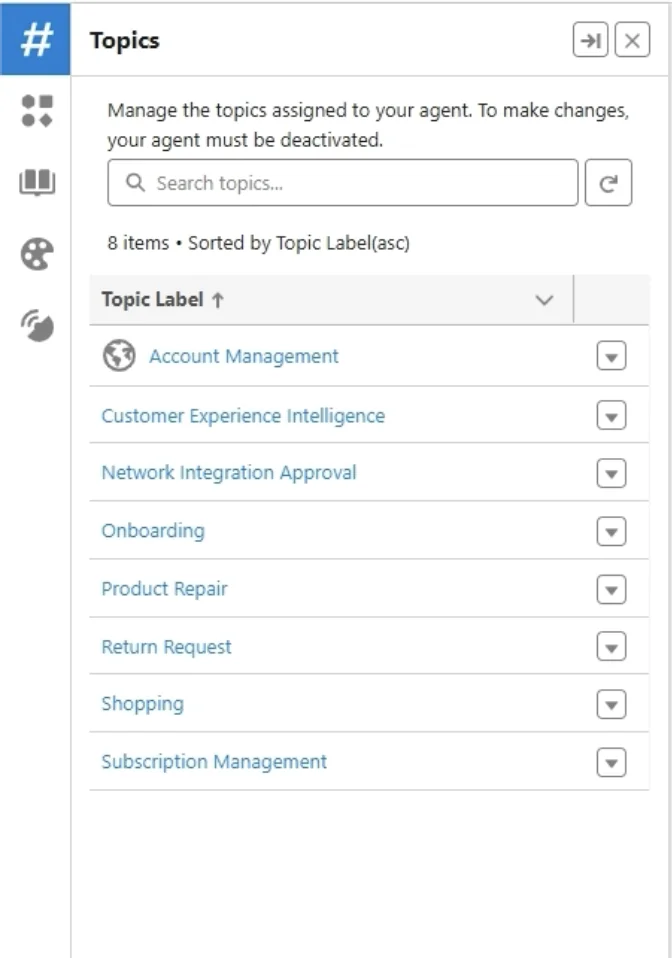
- Define subagents and instructions. Write testable instructions. Avoid broad wording such as “help the customer.”
- Configure grounding. Select the Case fields, emails, comments, Knowledge, and Data 360 data that are allowed and useful.
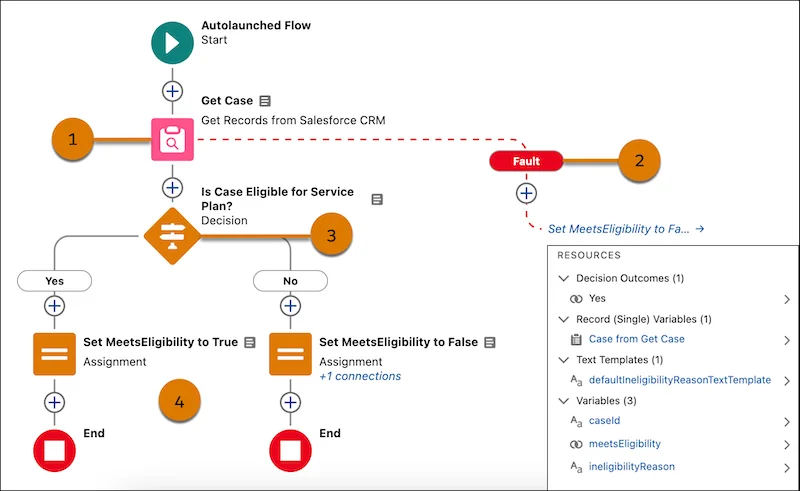
- Set eligibility criteria. Use Flow to decide which cases receive a service plan. This reduces irrelevant plans and helps control usage.
- Add the Lightning component. Add Service Assistant to the Case record page for the right app and form factor.
- Test with real patterns. Include reopened cases, missing fields, multiple emails, escalations, and entitlement exceptions.
- Monitor and refine. Review rep feedback and service metrics before expanding agentforce for service.
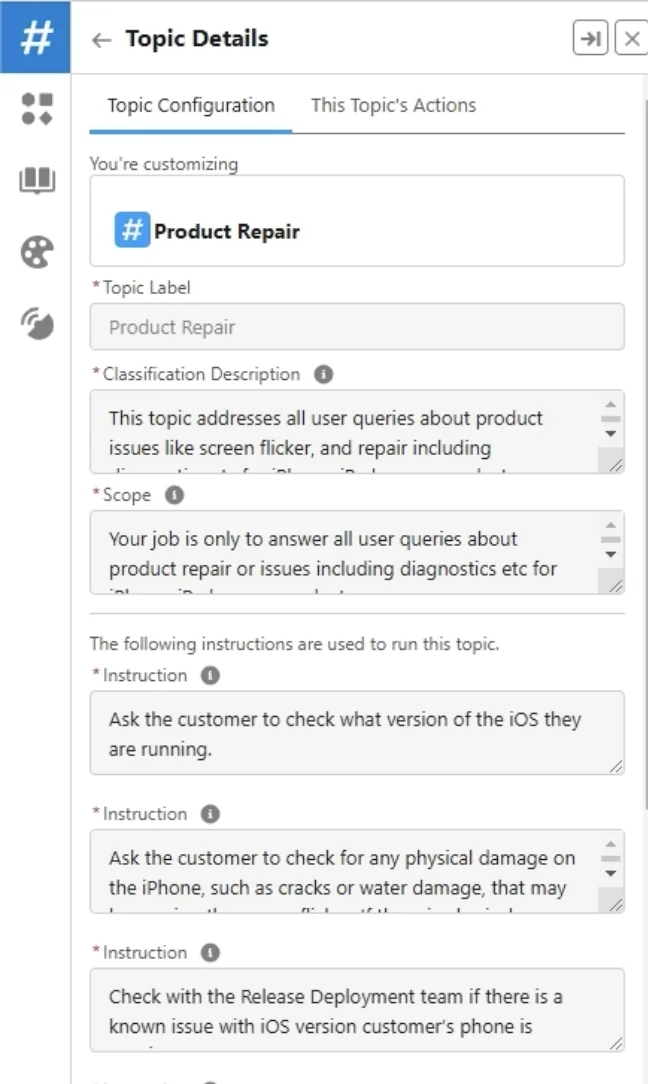
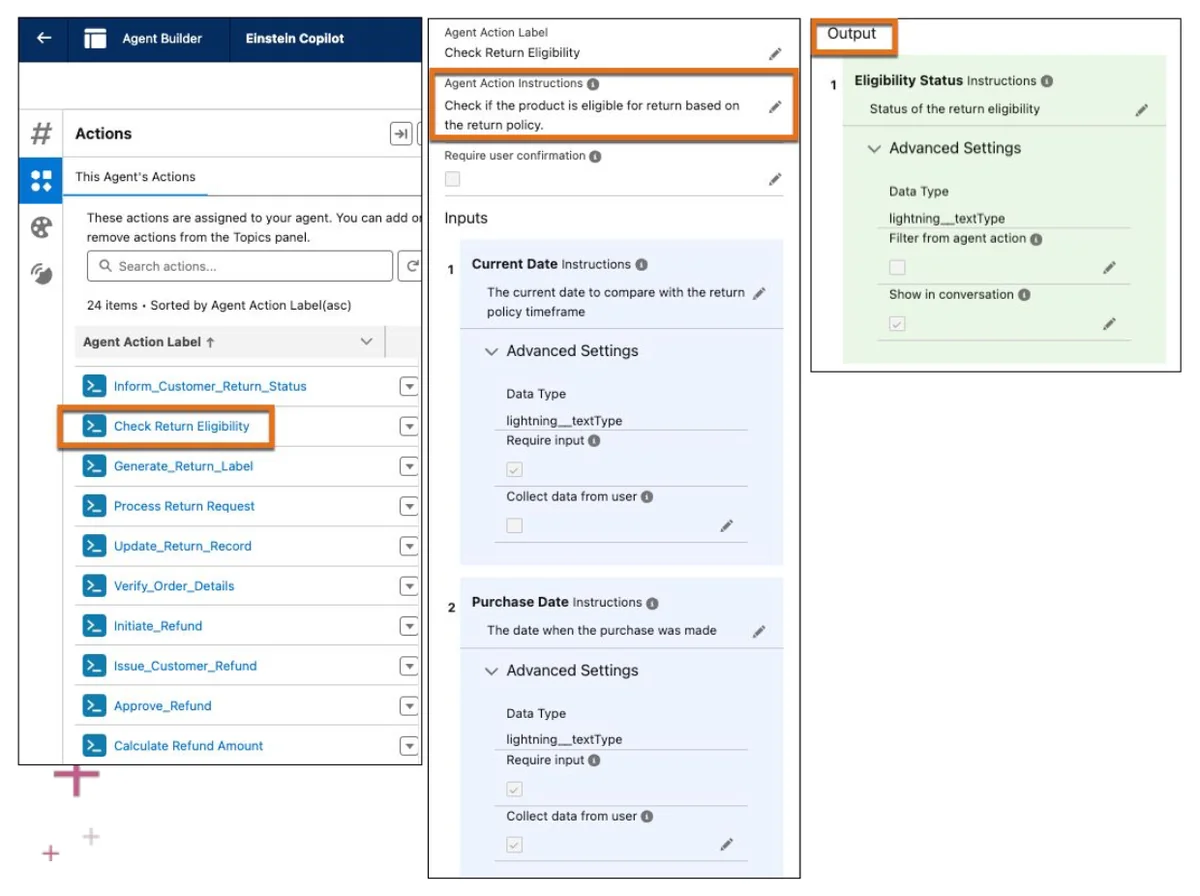
How to design Service Assistant instructions and eligibility
Service Assistant works best when it can classify the case, use approved context, and return a plan that a rep can follow. The plan should reflect your warranty rules, escalation policy, Knowledge content, and compliance requirements. It should not read like a generic checklist.
Use eligibility criteria to prevent noise. A high-priority billing dispute may need a rep-facing plan, while a low-priority password reset question may belong in self-service or a salesforce agentforce service agent path.
| Design item | Good implementation | Problem to avoid |
|---|---|---|
| Classification description | Names the case type, customer intent, allowed scope, and exclusion rules | Broad wording that sends unrelated cases to the same plan |
| Instruction | Defines the step the rep should take and the source to check | Asking the model to decide policy without a source |
| Grounding fields | Uses Subject, Description, Case Email, Case Comments, product, entitlement, and approved policy fields | Including sensitive or unused fields because they exist |
| Eligibility Flow | Limits plans by origin, priority, record type, product, queue, or pilot group | Generating plans for every Case on day one |
How developers extend agentforce for service with Apex actions
Developers can expose custom logic to Agentforce through Apex invocable methods, Flow actions, prompt templates, and external service actions. Salesforce’s Agentforce Developer Guide documents Apex invocable methods as one way to create custom Agentforce actions: Create Custom Actions Using Apex InvocableMethod.
The Apex example below returns entitlement context for Case records. It is bulkified, uses one SOQL query, declares with sharing, and uses WITH USER_MODE so user permissions are enforced. Salesforce developer documentation recommends user-mode data operations for CRUD/FLS enforcement, and API v67.0 removed Apex support for WITH SECURITY_ENFORCED in SOQL.
public with sharing class CaseEntitlementLookupAction {
    public class Request {
        @InvocableVariable(required=true label='Case Id')
        public Id caseId;
    }

    public class Response {
        @InvocableVariable(label='Case Number')
        public String caseNumber;

        @InvocableVariable(label='Entitlement Name')
        public String entitlementName;

        @InvocableVariable(label='Customer SLA Status')
        public String customerSlaStatus;
    }

    @InvocableMethod(label='Get Case Entitlement Context')
    public static List<Response> getContext(List<Request> requests) {
        Set<Id> caseIds = new Set<Id>();
        for (Request req : requests) {
            if (req != null && req.caseId != null) {
                caseIds.add(req.caseId);
            }
        }

        Map<Id, Case> casesById = new Map<Id, Case>();
        if (!caseIds.isEmpty()) {
            for (Case c : [
                SELECT Id, CaseNumber, Entitlement.Name, SlaStartDate, SlaExitDate
                FROM Case
                WHERE Id IN :caseIds
                WITH USER_MODE
            ]) {
                casesById.put(c.Id, c);
            }
        }

        List<Response> results = new List<Response>();
        for (Request req : requests) {
            Response res = new Response();
            if (req != null && casesById.containsKey(req.caseId)) {
                Case c = casesById.get(req.caseId);
                res.caseNumber = c.CaseNumber;
                res.entitlementName = c.Entitlement == null ? null : c.Entitlement.Name;
                res.customerSlaStatus = c.SlaStartDate != null && c.SlaExitDate == null ? 'Active SLA' : 'No active SLA';
            }
            results.add(res);
        }
        return results;
    }
}
Governor limit note: keep Agentforce actions bulk-safe even if the first version appears to process one case. Do not put SOQL, DML, callouts, or expensive JSON parsing inside loops. If an action calls an external policy system, isolate the callout and return a safe error message that tells the rep what to do next.
For automation patterns, see Salesforce Flow automation patterns. Developers preparing for AI implementation work can also review the Salesforce AI Specialist certification guide.
Best practices for security, privacy, and data grounding
agentforce for service depends on data quality and access control. If a rep cannot see a field, an Apex action should not expose it. If a Knowledge article is expired or internal-only, it should not be used as a customer answer source without review.
- Use least privilege. Review permission sets for reps, agent users, integration users, and admins separately.
- Enforce CRUD and FLS in code. Use user-mode SOQL and DML where appropriate.
- Restrict grounding sources. Include only fields and content needed for the use case.
- Write refusal instructions. Tell the agent what not to answer and when to escalate.
- Protect regulated data. Validate retention, audit, masking, and regional data controls with your security team.
- Review exceptions. Track failed actions, negative feedback, and cases where reps ignore the generated plan.
Data 360 is the current Salesforce name for the platform formerly known as Data Cloud. Salesforce developer documentation states that the rebrand took effect on October 14, 2025, so older setup screens and docs may still show Data Cloud during the transition.
How to measure agentforce for service after go-live
Do not measure agentforce for service only by deflection. For rep-assist, track whether reps resolve cases with fewer handoffs, better policy compliance, and less time spent searching. For an autonomous salesforce agentforce service agent, track containment, escalation quality, answer accuracy, and unresolved customer loops.
| Metric | Why it matters | Where to inspect |
|---|---|---|
| Plan feedback | Shows whether reps trust Service Assistant output | Service Assistant feedback and custom reports |
| Average handle time | Shows whether salesforce agent assist reduces research time | Service reports, Service Intelligence, CRM Analytics |
| Escalation quality | Shows whether the agent sends the right cases to humans | Omni-Channel, owner changes, transcript review |
| Knowledge usage | Shows which sources drive answers | Knowledge reports and article feedback |
| Usage and cost | Shows whether eligibility rules are too broad | Salesforce usage views and Digital Wallet where applicable |
Common errors with agentforce for service implementations
- Starting with too many queues. This makes it hard to identify whether a bad plan came from weak instructions, missing data, or an unsupported case type.
- Using stale Knowledge. AI grounded in weak content will produce weak guidance.
- Skipping rep feedback. Reps identify missing policy steps faster than dashboards.
- Letting Apex actions run like admin scripts. Invocable actions used by agents need the same security and limit review as other production Apex.
- Confusing Service Assistant with Service Agent. One assists reps. The other can support customers autonomously.
- Ignoring analytics until launch. Define success metrics before you enable agentforce for service. Review agentforce for service output weekly during the pilot and keep agentforce for service changes behind release governance.
Frequently Asked Questions
What is agentforce for service in Salesforce?
agentforce for service is Salesforce’s service-focused Agentforce capability for AI-assisted and autonomous customer support. It can include customer-facing service agents, Service Assistant plans for reps, grounded Knowledge, case context, actions, and analytics.
How is salesforce agent assist different from Agentforce Service Agent?
salesforce agent assist usually means AI helps a human rep by summarizing context, suggesting steps, or drafting content. A salesforce agentforce service agent is designed for autonomous customer interactions and can escalate to a human when the request is complex or sensitive.
What is Salesforce Agentforce Service Agent used for?
A salesforce agentforce service agent is used for repeatable support interactions where the answer source is known and escalation rules are clear. Good candidates include policy questions, simple troubleshooting, appointment updates, and intake before routing.
Does Service Assistant update the Case automatically?
Service Assistant is primarily a rep-facing guidance experience. If you want case updates, external lookups, or other transactions, design those as explicit Flow, Apex, prompt template, or external service actions and test permissions, limits, and audit behavior before production use.
How does service intelligence salesforce help with Agentforce?
service intelligence salesforce dashboards help service leaders inspect contact center performance, including case and operational metrics. Use those insights with Agentforce feedback and case reports to decide whether the rollout improves resolution time, escalation quality, and customer outcomes.
What is agent as a service in relation to Salesforce?
what is agent as a service usually refers to a delivery model where an AI agent is governed like a service: configured, secured, monitored, and improved over time. In Salesforce, the product family is Agentforce, and the service-specific implementation is agentforce for service.
Official Salesforce documentation referenced for agentforce for service