Force.com IDE was a professional development tool used by Salesforce developers for building, testing, and deploying Force.com applications. Built on the Eclipse framework, Force.com IDE provided a comprehensive development environment for Apex code, Visualforce pages, and metadata management.
Important Note: Force.com IDE was officially retired by Salesforce in October 2019. Modern Salesforce development now uses Salesforce Extensions for Visual Studio Code, which provides enhanced functionality and ongoing support. This guide remains valuable for understanding legacy development workflows and for organizations still maintaining older Force.com IDE installations.
For current Salesforce development setup, refer to the Force.com IDE installation guide for historical context, then transition to the modern Salesforce CLI and VS Code extensions.
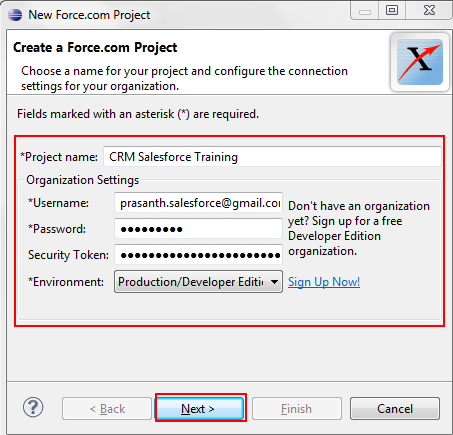
This Salesforce tutorial covers essential Force.com IDE shortcuts that were invaluable for Salesforce developers working with the Eclipse-based environment. These productivity tips helped streamline development workflows and improve coding efficiency.
Essential Force.com IDE Shortcuts for Salesforce Development
These keyboard shortcuts were designed to accelerate common development tasks in the Force.com IDE environment. Mastering these shortcuts significantly improved developer productivity when working with Apex classes, triggers, and Visualforce components.
| Shortcut | Function | Use Case |
|---|---|---|
| CTRL+SHIFT+R | Open Resource dialog | Quickly navigate to any file in the project workspace without using Package Explorer |
| CTRL+H | Search files and content | Find text across multiple Apex classes, triggers, or Visualforce pages |
| CTRL+L | Go to Line | Jump directly to a specific line number for debugging or code review |
| CTRL+K | Find Next | Navigate to the next occurrence of selected text within the current file |
| CTRL+F6 | Switch Editor | Cycle between open tabs when working with multiple Apex or Visualforce files |
| CTRL+W | Close Editor | Close the current file tab to reduce clutter in the workspace |
| CTRL+SHIFT+L | Show Key Assist | Display available keyboard shortcuts for the current context |
| F12 | Activate Editor | Return focus to the code editor from other panels or views |
| ALT+F7 | Switch Sub-tab | Navigate between different views within the same editor (useful for metadata files) |
| ALT+/ | Content Assist | Trigger auto-completion for Apex methods, variables, and Salesforce objects |
| CTRL+D | Delete Line | Remove the entire current line without selecting it first |
| CTRL+SPACE | Code Completion | Invoke intelligent code suggestions for Apex syntax and Salesforce APIs |
Advanced Force.com IDE Productivity Tips
Code Navigation and Organization
Beyond basic shortcuts, Force.com IDE offered several advanced features for managing complex Salesforce projects:
- Package Explorer Organization: Group related Apex classes and triggers into logical folders for better project structure
- Outline View: Use the Outline panel to quickly navigate between methods within large Apex classes
- Quick Outline (CTRL+O): Display a popup showing all methods and variables in the current class
- Type Hierarchy (F4): View inheritance relationships for custom and standard Salesforce objects
Debugging and Error Resolution
Force.com IDE provided integrated debugging capabilities that were essential for Salesforce development:
- Problems View: Monitor compilation errors and warnings across all project files
- Log Inspector: Analyze debug logs directly within the IDE for troubleshooting Apex execution
- Checkpoints: Set execution checkpoints in Apex code for detailed runtime analysis
- Anonymous Apex: Execute Apex code snippets for testing without creating permanent classes
Migration to Modern Salesforce Development Tools
Since Force.com IDE retirement, Salesforce developers should transition to modern development tools:
Salesforce Extensions for Visual Studio Code
The official replacement for Force.com IDE offers enhanced features:
- Salesforce CLI Integration: Direct command-line access for org management and deployment
- Lightning Web Components Support: Full development environment for modern Lightning components
- Apex Language Server: Real-time syntax checking and intelligent code completion
- Org Browser: Visual exploration of metadata and schema directly in VS Code
Key Advantages of Modern Tools
- Active development and regular updates from Salesforce
- Support for latest Salesforce features and APIs
- Enhanced performance and stability
- Integration with modern DevOps practices and version control
Best Practices for Salesforce Development Workflow
Whether using legacy Force.com IDE or modern tools, these practices remain essential:
- Version Control: Always use Git or similar version control for code management
- Sandbox Strategy: Develop in dedicated sandboxes before deploying to production
- Test Coverage: Maintain minimum 75% test coverage for all Apex code
- Code Review: Implement peer review processes for quality assurance
- Documentation: Comment complex business logic and maintain technical documentation
Frequently Asked Questions
Is Force.com IDE still supported by Salesforce?
No, Force.com IDE was officially retired by Salesforce in October 2019. Salesforce now recommends using Salesforce Extensions for Visual Studio Code as the primary development environment. Existing Force.com IDE installations may continue to work but receive no updates or support.
What replaced Force.com IDE for Salesforce development?
Salesforce Extensions for Visual Studio Code is the official replacement. It provides enhanced functionality including Lightning Web Components support, Salesforce CLI integration, and modern debugging tools. The transition guide is available in the Salesforce Developer documentation.
Can I still download Force.com IDE?
Force.com IDE is no longer available for download from Salesforce. Organizations with existing installations can continue using them, but should plan migration to supported development tools. Legacy installations may encounter compatibility issues with newer Salesforce features and API versions.
Do Force.com IDE shortcuts work in VS Code?
Many similar shortcuts exist in VS Code, though some key combinations differ. VS Code uses CTRL+P for file navigation (similar to CTRL+SHIFT+R in Force.com IDE) and CTRL+SHIFT+F for global search. The Salesforce Extensions provide additional shortcuts specific to Salesforce development workflows.
How do I migrate my Force.com IDE projects to VS Code?
Use the Salesforce CLI to retrieve metadata from your org into a new SFDX project structure. The ‘sfdx force:source:retrieve’ command can pull existing code and metadata. Then open the project in VS Code with Salesforce Extensions installed. Salesforce provides detailed migration documentation in their developer guides.