Salesforce training encompasses structured learning paths, certification programs, and hands-on resources that help professionals master the Salesforce platform. Whether you’re pursuing administrator credentials, developer skills, or architect-level expertise, effective training combines official Salesforce resources with community-driven content and practical experience in production environments.
This guide covers proven training approaches, free resources, certification paths, and specialized bootcamps that deliver measurable skill development for Salesforce professionals at every career stage.
Official Salesforce Training Resources
Salesforce provides comprehensive training through multiple channels, each designed for specific learning objectives and skill levels.
Trailhead: Core Learning Platform
Trailhead remains the primary free training platform, offering structured modules across all Salesforce clouds and products. The platform includes:
- Role-based learning trails for administrators, developers, and architects
- Hands-on challenges in Trailhead Playground environments
- Superbadges that simulate real-world project scenarios
- Integration with Salesforce certification exam objectives
Trailhead content aligns with current release cycles, ensuring training materials reflect the latest platform capabilities available in Winter ’26 and Spring ’26 releases.
Salesforce University: Instructor-Led Training
Salesforce University delivers instructor-led courses for advanced topics requiring guided instruction:
- Multi-day certification bootcamps
- Specialized courses for Einstein Analytics, OmniStudio, and Agentforce
- Custom training programs for enterprise implementations
- Virtual and in-person delivery options
These courses typically cost $3,000-$5,000 per participant but provide structured learning with expert instructors and hands-on labs.
Free Salesforce Bootcamp Options
Several organizations offer free salesforce bootcamp programs that provide intensive, structured learning without the cost of formal training.
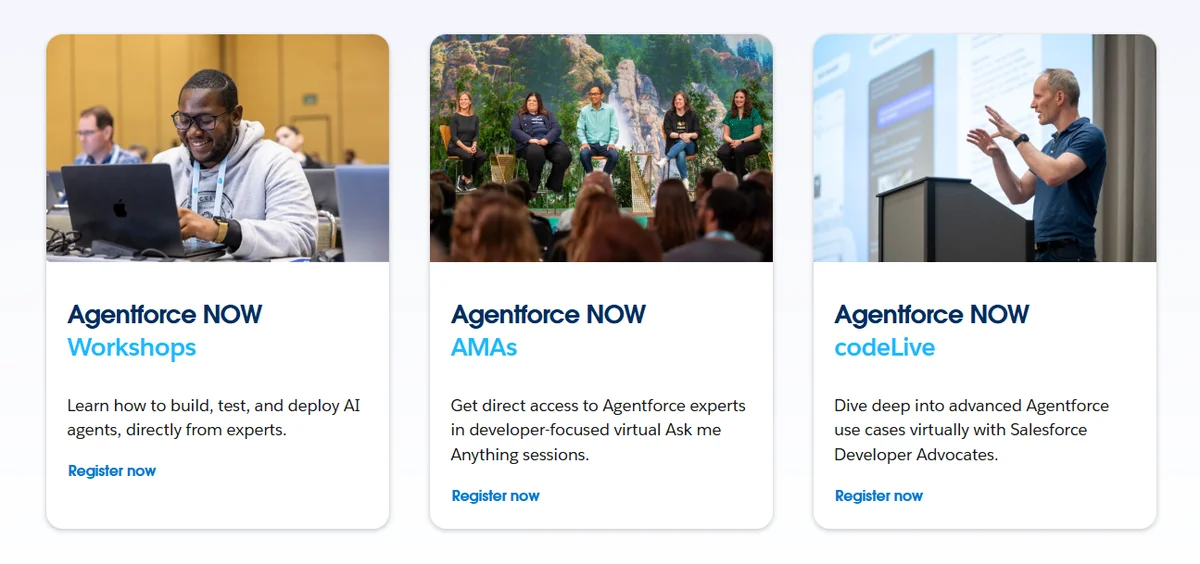
Agentforce Now Workshop Series
Agentforce Now delivers expert-led workshops focused on AI agent development and Data Cloud implementation. These sessions include:
- Live coding demonstrations with Agentforce platform tools
- Interactive Q&A sessions with Salesforce product experts
- Hands-on exercises building custom AI agents
- Real-time troubleshooting and best practice guidance
Sessions run monthly and require registration through the official Agentforce community portal.
Community-Driven Bootcamps
User groups and community organizations frequently host intensive training events:
- Weekend certification prep bootcamps
- Industry-specific training (nonprofit, healthcare, financial services)
- Technical deep-dives on specific features or integrations
- Career transition programs for professionals entering the Salesforce ecosystem
Learn Salesforce for Free: Community Resources
The Salesforce community produces extensive free training content that complements official resources.
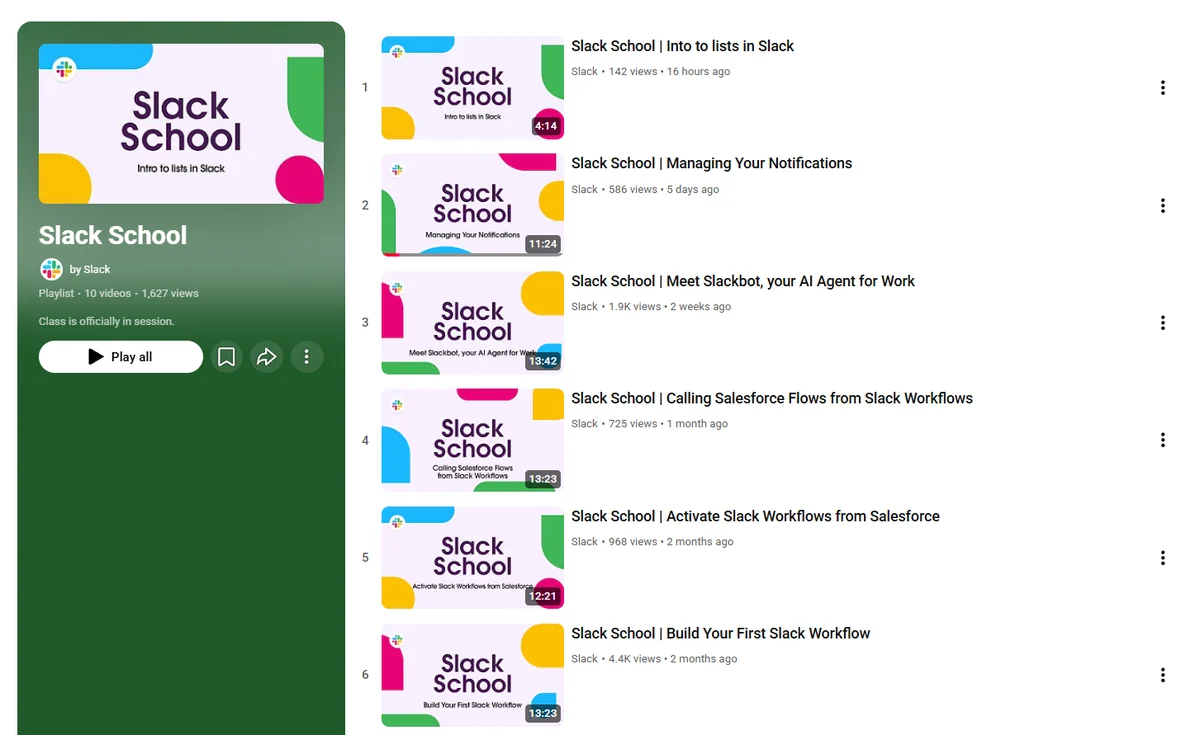
YouTube Training Channels
Several YouTube channels provide structured learning paths:
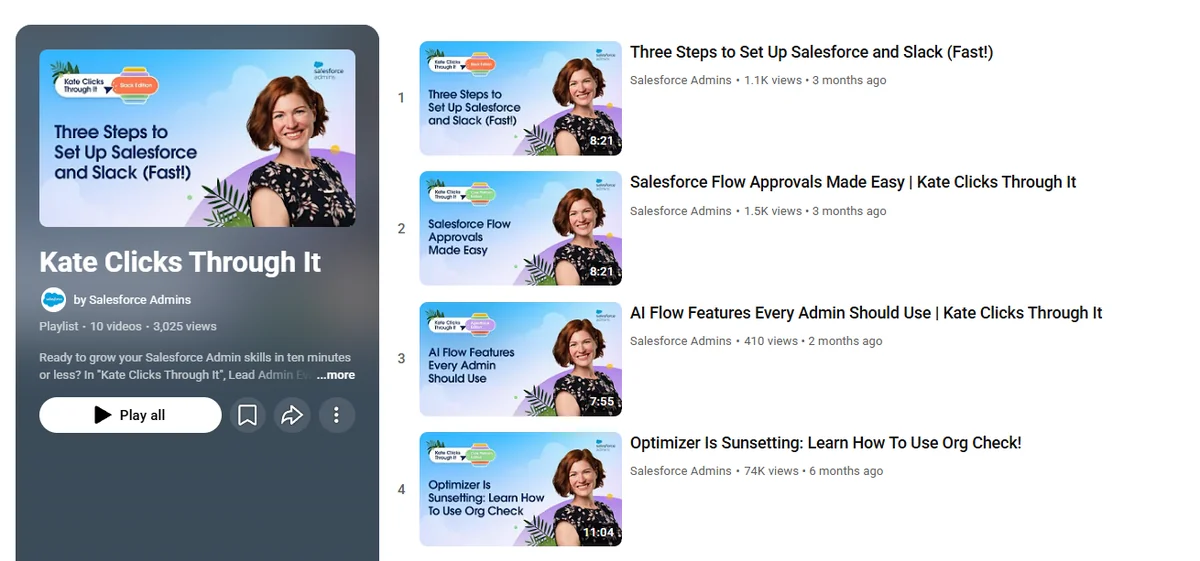
- Salesforce Admins Channel: Official admin-focused content including “Kate Clicks Through It” series
- Code With Sally: Developer-focused tutorials with complete Apex 101 course
- Coding With The Force: Advanced development topics and architectural patterns
- Infallible Techie: 800+ tutorials covering declarative and programmatic solutions
Blog-Based Learning
Technical blogs offer in-depth articles on specific implementation challenges:
- Salesforce Architecture Blog: Enterprise-level design patterns and best practices
- Admin-focused blogs with step-by-step configuration guides
- Developer blogs covering Apex, Lightning Web Components, and integration patterns
Salesforce Administrator Bootcamp Programs
Administrator-focused bootcamps provide intensive preparation for the Salesforce Certified Administrator exam and practical admin skills.

Structured Admin Training Paths
Effective salesforce administrator bootcamp programs include:
- Data model design and relationship management
- Security implementation (profiles, permission sets, sharing rules)
- Process automation using Flow, Process Builder, and Workflow Rules
- Report and dashboard creation with advanced analytics
- User management and org maintenance procedures
Hands-On Lab Components
Quality bootcamps provide practical exercises that simulate real admin scenarios:
- Multi-org configuration projects
- Data migration and cleanup exercises
- Integration setup with common third-party systems
- Troubleshooting common user issues and system errors
SFDC Course Options and Certification Paths
SFDC course offerings span multiple skill levels and specializations, each aligned with specific certification objectives.
Administrator Certification Track
The administrator track includes two primary certifications:
- Salesforce Certified Administrator: Entry-level certification covering core platform functionality
- Salesforce Certified Advanced Administrator: Advanced topics including complex automation and data management
Preparation typically requires 6-12 months of hands-on experience plus structured study using official exam guides and practice tests.
Developer Certification Track
Developer certifications focus on programmatic platform customization:
- Platform Developer I: Apex, Visualforce, and Lightning Component development
- Platform Developer II: Advanced development patterns and integration architecture
- JavaScript Developer I: Lightning Web Component development and modern JavaScript frameworks
Architect Certification Track
Architect certifications require extensive experience and cover enterprise-level design:
- Technical Architect: Solution design and technical leadership
- System Architect: Data architecture and integration design
- Application Architect: Custom application design and development governance
Specialized Training Programs
Industry-Specific Training
Certain industries require specialized Salesforce knowledge:
- Nonprofit Cloud: Grant management, donor tracking, and volunteer coordination
- Health Cloud: Patient relationship management and care coordination
- Financial Services Cloud: Wealth management and banking-specific features
- Education Cloud: Student lifecycle management and institutional advancement
Technical Specialization Programs
Advanced technical roles require focused training:
- Integration Architecture: REST/SOAP APIs, middleware platforms, and data synchronization
- Einstein Analytics: Advanced analytics, dashboard design, and predictive modeling
- OmniStudio: Digital experience design and industry-specific process automation
- Agentforce Development: AI agent creation and natural language processing integration
Training Best Practices and Success Strategies
Hands-On Practice Requirements
Effective Salesforce training requires substantial hands-on practice:
- Maintain multiple Developer Edition orgs for different learning objectives
- Complete Trailhead challenges and Superbadges regularly
- Build sample applications that demonstrate learned concepts
- Practice troubleshooting common configuration and development issues
Community Engagement
Active community participation accelerates learning:
- Join local Salesforce user groups and attend monthly meetings
- Participate in Trailblazer Community discussions and Q&A forums
- Attend Dreamforce, TrailheaDX, and regional community events
- Contribute to open-source Salesforce projects and community resources
Continuous Learning Approach
Salesforce releases new features three times annually, requiring ongoing education:
- Review release notes for Winter, Spring, and Summer releases
- Complete release-specific Trailhead modules within 30 days of general availability
- Test new features in sandbox environments before production deployment
- Maintain current certifications through continuing education requirements
Training ROI and Career Impact
Certification Value Analysis
Salesforce certifications demonstrate measurable skill validation:
- Administrator certification correlates with 15-25% salary increases
- Developer certifications enable transition to higher-paying technical roles
- Architect certifications qualify professionals for senior consulting and leadership positions
- Multiple certifications increase job market competitiveness and consulting opportunities
Skill Development Metrics
Track training effectiveness through specific metrics:
- Trailhead badge completion rates and Superbadge achievements
- Certification exam pass rates and score improvements
- Project delivery success rates and implementation quality
- Peer recognition and community contribution levels
Frequently Asked Questions
How long does it take to complete Salesforce administrator training?
Most professionals require 3-6 months of dedicated study and hands-on practice to prepare for the Salesforce Certified Administrator exam. This includes completing relevant Trailhead modules, practicing in Developer Edition orgs, and taking practice exams. Professionals with prior CRM experience may complete training faster, while those new to business applications may need additional time.
Are free Salesforce bootcamps as effective as paid training programs?
Free bootcamps can be highly effective when they include hands-on exercises, expert instruction, and structured curricula. However, they typically require more self-discipline and independent practice compared to paid programs. The key is choosing bootcamps with active community support and practical project components rather than lecture-only formats.
What prerequisites are needed for Salesforce developer training?
Salesforce developer training requires basic programming knowledge, preferably in object-oriented languages like Java or C#. Understanding of database concepts, web technologies (HTML, CSS, JavaScript), and API fundamentals is helpful. Most developer courses assume familiarity with Salesforce administrator concepts, so completing admin training first is recommended.
How often should I update my Salesforce training?
Salesforce releases new features three times per year, so professionals should review release notes and complete relevant training modules within 30 days of each release. Certified professionals must complete continuing education requirements to maintain their certifications. Additionally, major feature launches like Agentforce or significant cloud updates may require dedicated training sessions.
Which Salesforce certification should I pursue first?
Most professionals should start with the Salesforce Certified Administrator certification, as it covers fundamental platform concepts needed for all other specializations. After gaining admin certification and 6-12 months of hands-on experience, you can pursue specialized certifications based on your career goals: Platform Developer I for technical roles, or Advanced Administrator for senior admin positions.