Salesforce certification validates your expertise in the world’s leading CRM platform and opens doors to high-demand career opportunities. The Salesforce Platform Foundations certification serves as the entry point for professionals with 0-6 months of experience, providing foundational knowledge of CRM concepts, Salesforce architecture, and business solutions.
This certification differs from traditional technical exams by focusing on business understanding rather than hands-on configuration skills. It validates your grasp of what Salesforce does, how it solves business problems, and where different products fit in the ecosystem.
What is Salesforce Certification?
Salesforce certification is a formal validation of your knowledge and skills within the Salesforce ecosystem. These credentials demonstrate your ability to implement, configure, and optimize Salesforce solutions for business needs.
The certification program includes multiple tracks:
- Administrator Track: Platform Foundations, Administrator, Advanced Administrator
- Developer Track: Platform Developer I & II, JavaScript Developer I
- Consultant Track: Sales Cloud, Service Cloud, Experience Cloud consultants
- Architect Track: Technical Architect, System Architect, Application Architect
- Specialist Certifications: Marketing Cloud, Commerce Cloud, Tableau, MuleSoft
Salesforce Platform Foundations Certification Overview
The Salesforce Platform Foundations certification (formerly Associate) targets newcomers to the Salesforce ecosystem. This exam validates foundational knowledge without requiring hands-on technical experience.
Exam Details
| Aspect | Details |
|---|---|
| Questions | 40 multiple-choice/multiple-select |
| Time Limit | 70 minutes |
| Passing Score | 62% (25 correct answers) |
| Cost | $75 USD |
| Retakes | Free |
| Prerequisites | None |
| Experience Level | 0-6 months Salesforce experience |
Who Should Take This Exam
The Platform Foundations certification suits:
- Career changers exploring Salesforce opportunities
- Business users wanting to understand Salesforce capabilities
- Students preparing for Administrator certification
- Sales and marketing professionals using Salesforce daily
- Project managers overseeing Salesforce implementations
Salesforce Associate Exam Topics and Weightings
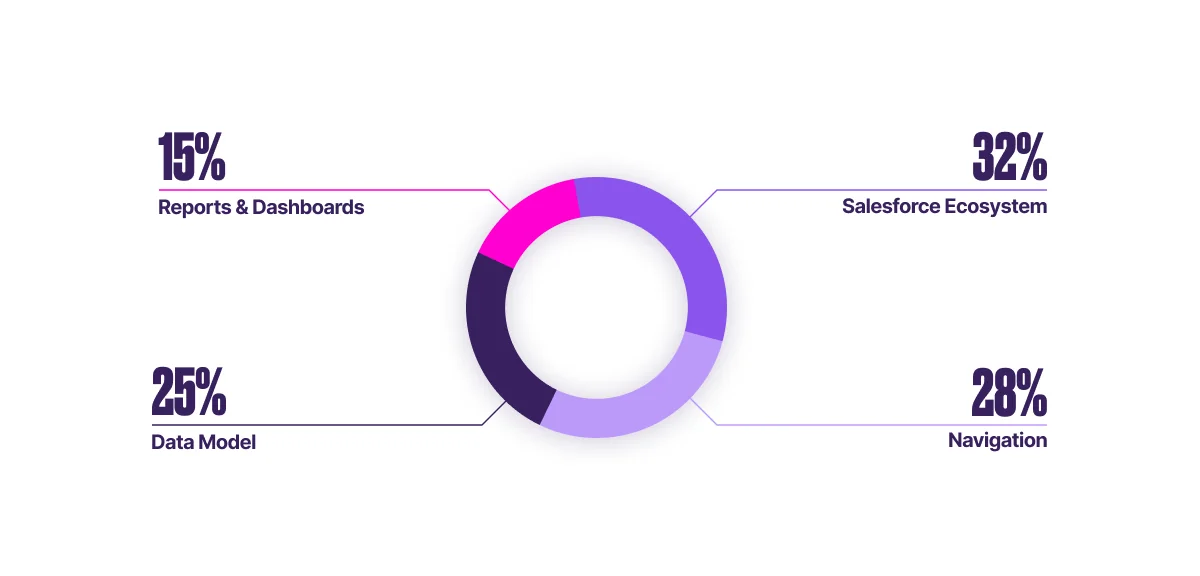
The salesforce associate exam covers four main areas with specific weightings:
1. Salesforce Ecosystem (32%)
This largest section tests your understanding of:
- Learning Resources: Trailhead, Trailhead Playgrounds, Developer Orgs, Trailblazer Community
- Product Suite: Sales Cloud, Service Cloud, Health Cloud, Experience Cloud, Nonprofit Cloud, CRM Analytics
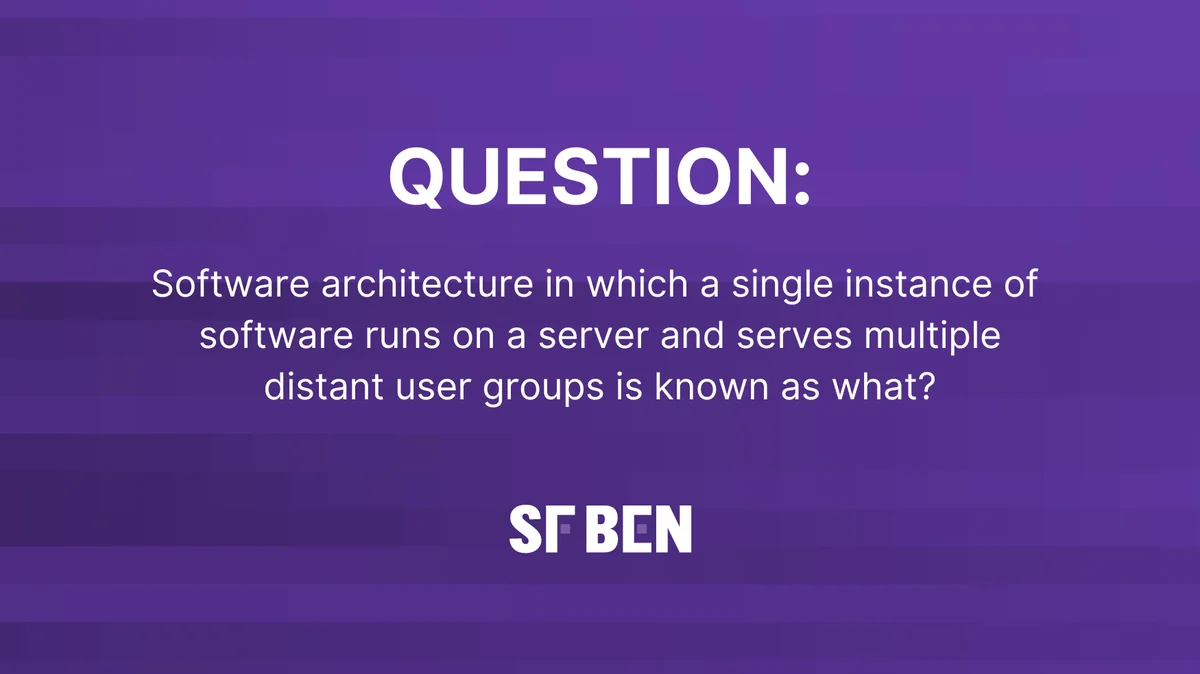
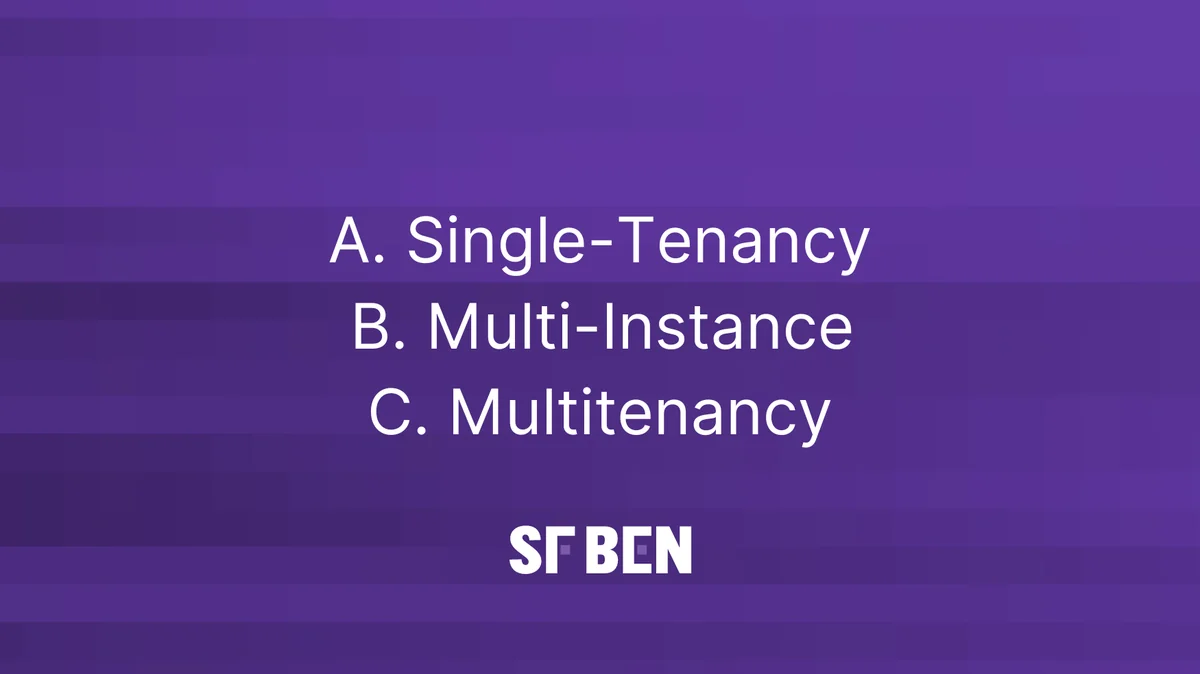
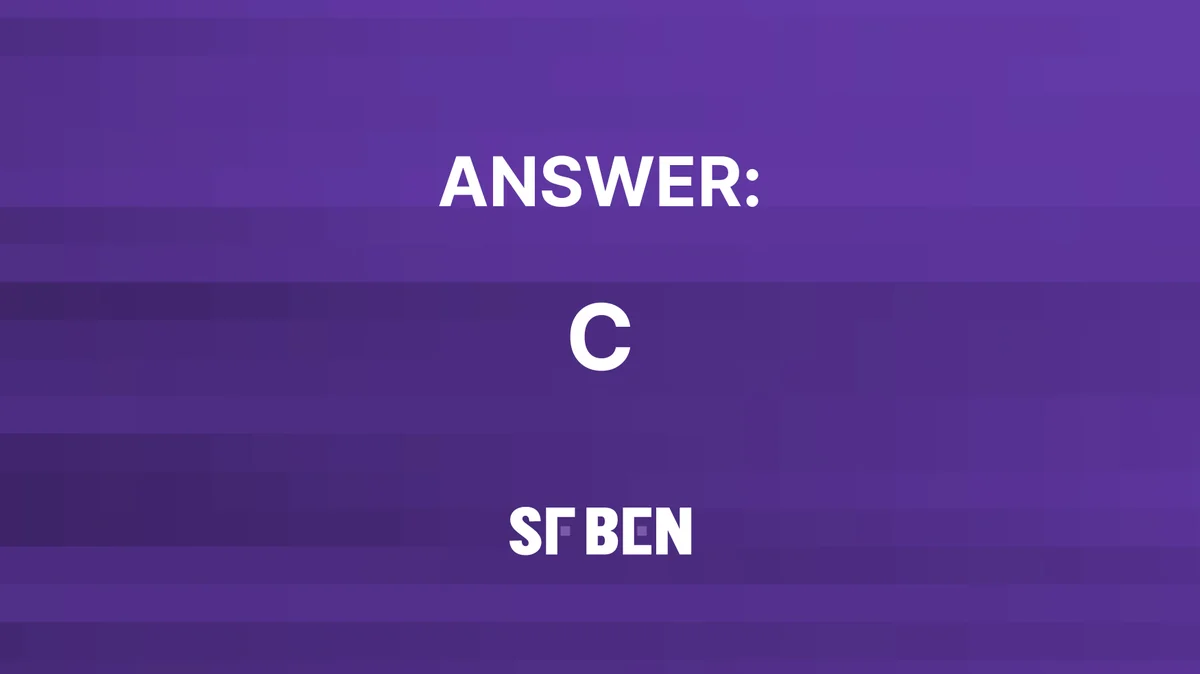
- Platform Architecture: Multi-tenancy, Customer 360, CRM fundamentals
- Career Paths: Administrator, Developer, Business Analyst roles
2. Navigation (28%)
Navigation questions focus on finding information and making changes:
- Global Settings: Company information, licenses, org settings
- User Management: Adding users, resetting passwords, locale settings
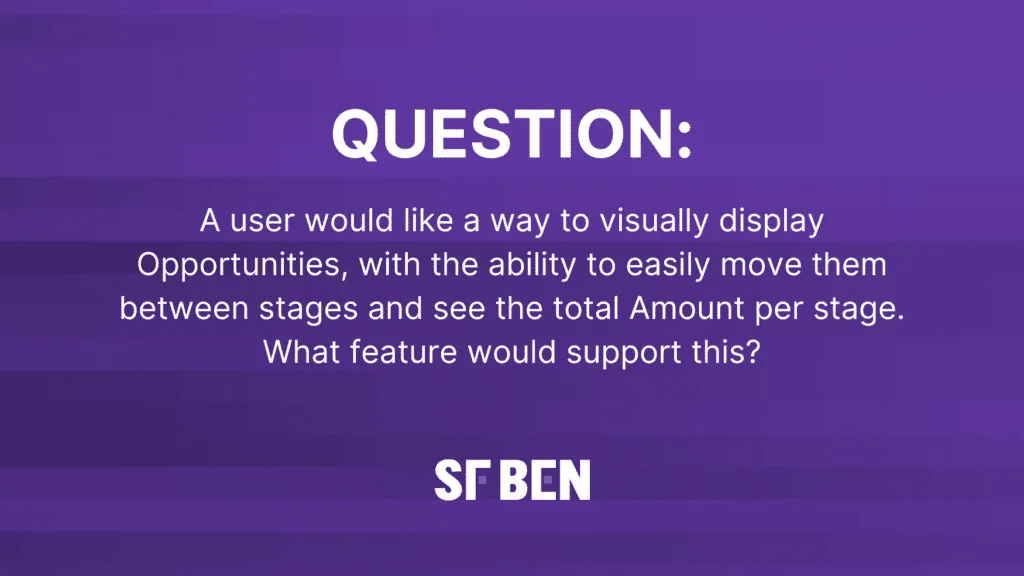
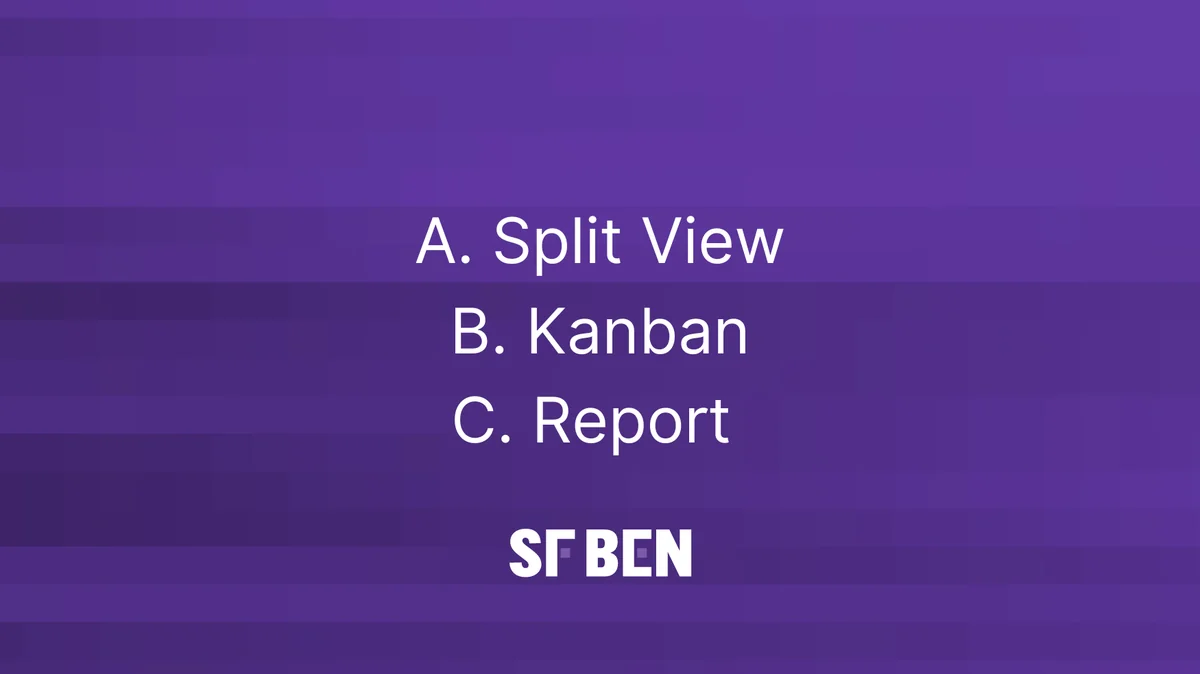
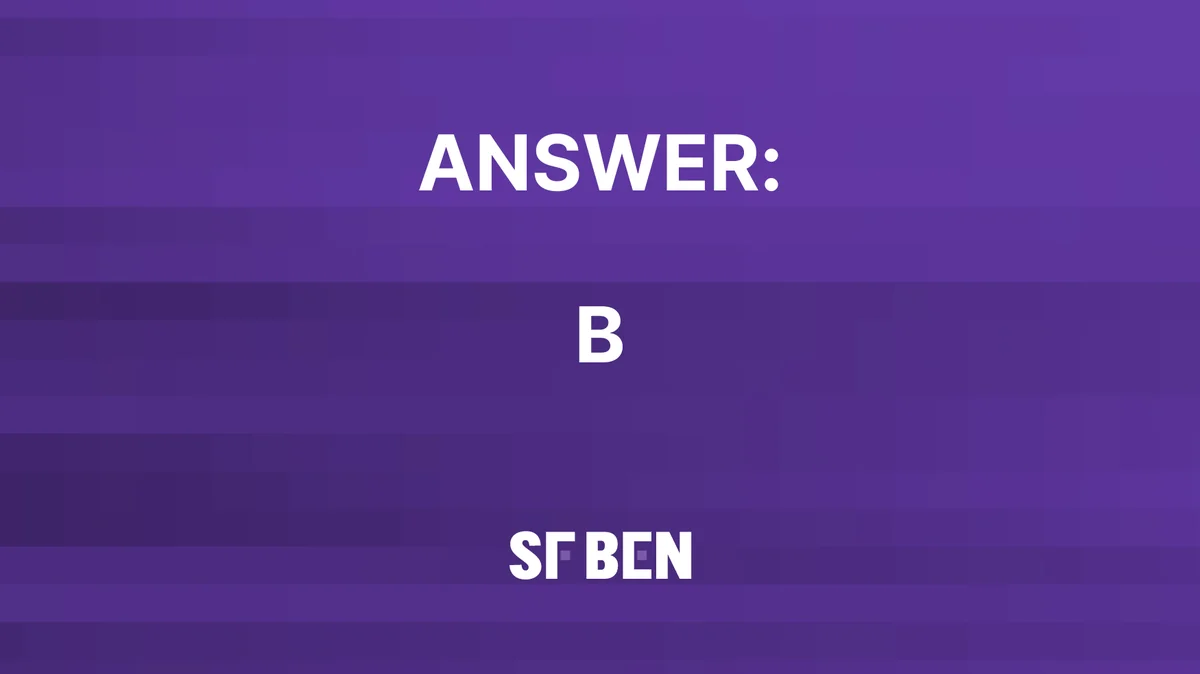
- List Views: Creating views, Kanban boards, filtering
- Search Functionality: Global search, object-specific search
- Personalization: Custom tabs, language preferences, timezone settings
- AppExchange: Installing apps, managing packages
3. Data Model (25%)
Data model questions cover Salesforce architecture and relationships:
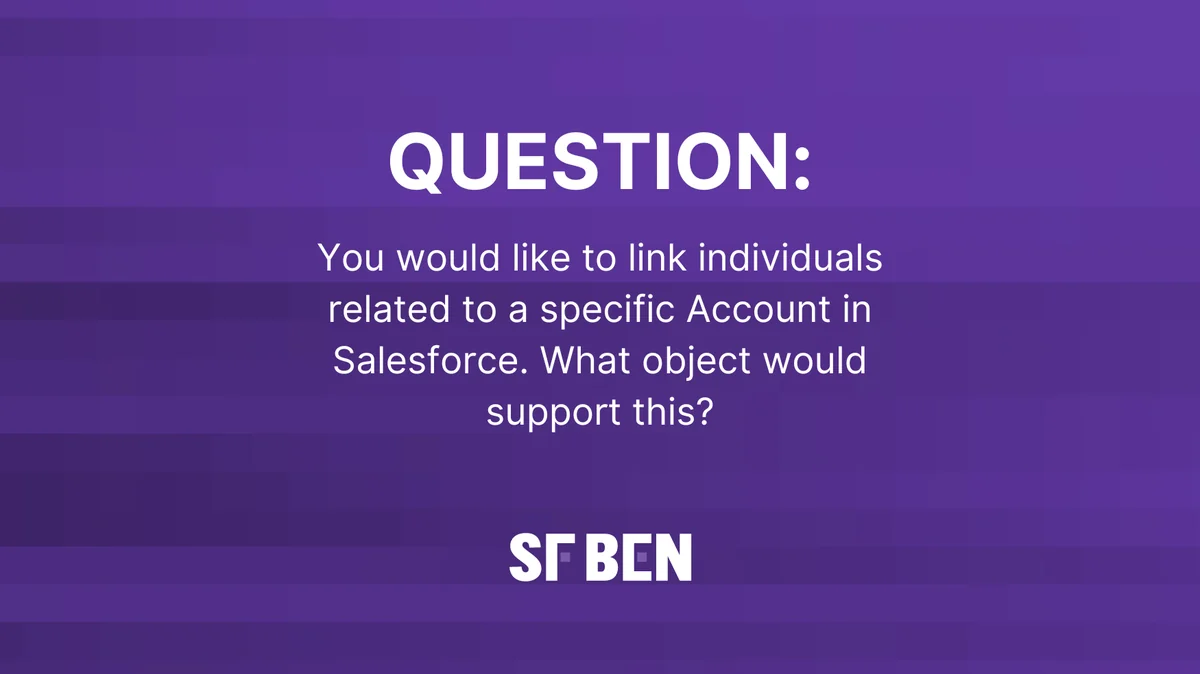
- Standard Objects: Accounts, Contacts, Leads, Opportunities, Cases
- Object Relationships: Lookup, master-detail, many-to-many
- Security Model: Roles, profiles, permission sets, sharing rules
- Record Types: Business processes, page layouts
- Data Integrity: Validation rules, required fields, default values
4. Reports and Dashboards (15%)
Reporting questions test your knowledge of:
- Report Types: Tabular, Summary, Matrix, Joined reports
- Report Features: Filters, grouping, bucket fields, formulas
- Dashboard Components: Charts, tables, metrics, filters
- Subscriptions: Scheduled reports, dashboard refreshes
- Limitations: Record limits, refresh frequency, sharing
SFDC Foundation Study Strategy
Success on the sfdc foundation exam requires structured preparation combining theoretical knowledge with hands-on practice.
Phase 1: Foundation Building (Weeks 1-2)
- Review Official Exam Guide: Download the exam guide from Trailhead and use it as your study checklist
- Complete Trailhead Modules: Focus on “Prepare for Your Salesforce Certified Platform Foundations Credential” trail
- Set Up Practice Environment: Create a Developer Edition org or use Trailhead Playground
Phase 2: Deep Dive Learning (Weeks 3-4)
- Hands-On Practice: Test every feature mentioned in the exam guide
- Create Sample Data: Build Accounts, Contacts, Opportunities, and Cases
- Explore Navigation: Practice finding settings, creating list views, using search
- Build Reports: Create different report types and dashboard components
Phase 3: Exam Preparation (Week 5)
- Take Practice Exams: Use Trailhead practice questions and third-party resources
- Review Weak Areas: Focus extra time on topics you find challenging
- Memorize Key Facts: Governor limits, standard object relationships, security model basics
Salesforce Platform Foundations Certification Benefits
The salesforce platform foundations certification provides several career advantages:
Career Entry Point
This certification serves as a bridge between complete beginner and certified professional. It demonstrates commitment to learning Salesforce and validates foundational knowledge employers value.
Preparation for Advanced Certifications
Platform Foundations prepares you for the Administrator certification by covering essential concepts. While not a prerequisite, it builds confidence and knowledge for more technical exams.
Business Value Understanding
Unlike technical certifications, Platform Foundations emphasizes business value and use cases. This knowledge helps you communicate Salesforce benefits to stakeholders and end users.
Cost-Effective Learning
At $75 with free retakes, this certification offers low-risk validation of your Salesforce knowledge. The investment pays dividends in career opportunities and salary potential.
SFDC Fundamentals: Key Concepts to Master
Understanding sfdc fundamentals is crucial for exam success and practical Salesforce work.
CRM Fundamentals
- Customer Lifecycle: Lead generation, opportunity management, customer service
- Business Processes: Sales processes, service workflows, marketing automation
- Data Management: Data quality, deduplication, import/export
Salesforce Architecture
- Multi-Tenancy: Shared infrastructure, isolated data, metadata-driven
- Cloud Computing: SaaS model, automatic updates, scalability
- Security: Data encryption, access controls, compliance certifications
Platform Capabilities
- Customization: Custom fields, objects, workflows, process automation
- Integration: APIs, third-party connectors, data synchronization
- Mobile: Salesforce Mobile app, responsive design, offline capabilities
Exam Day Strategy
Effective exam strategy can significantly improve your passing chances:
Before the Exam
- Review key concepts and create a mental cheat sheet
- Get adequate sleep and arrive early
- Bring required identification and confirmation details
During the Exam
- Read Carefully: Pay attention to scenario details and question wording
- Use Process of Elimination: Remove obviously incorrect answers first
- Mark for Review: Flag uncertain questions and return to them
- Watch for Best Practices: Choose standard Salesforce approaches over workarounds
Time Management
- Spend approximately 1.5 minutes per question
- Don’t get stuck on difficult questions initially
- Reserve 10-15 minutes for reviewing marked questions
Career Paths After Certification
Platform Foundations certification opens several career trajectories:
Salesforce Administrator
Administrators configure and maintain Salesforce orgs. Typical responsibilities include user management, data management, security configuration, and process automation. Average salary ranges from $65,000-$95,000.
Business Analyst
Business analysts bridge business requirements and technical implementation. They gather requirements, document processes, and ensure solutions meet business needs. Average salary ranges from $70,000-$100,000.
Salesforce Consultant
Consultants help organizations implement and optimize Salesforce. They combine technical knowledge with business acumen to deliver successful projects. Average salary ranges from $80,000-$120,000.
Sales Operations
Sales operations professionals optimize sales processes and tools. They analyze performance, configure automation, and support sales teams. Average salary ranges from $75,000-$110,000.
Study Resources and Next Steps
Leverage these official Salesforce resources for comprehensive preparation:
Official Resources
- Trailhead: Free online learning platform with modules, projects, and superbadges
- Exam Guide: Detailed outline of exam topics and weightings
- Practice Exams: Sample questions to test your knowledge
- Trailblazer Community: Forums for questions and study group connections
Recommended Learning Paths
- Prepare for Your Salesforce Certified Platform Foundations Credential
- Cert Prep: Salesforce Certified Platform Foundations
- Salesforce Platform Basics
- Data Modeling
- Reports & Dashboards for Lightning Experience
After Certification
Once certified, consider these next steps:
- Gain Hands-On Experience: Volunteer for nonprofit organizations or seek entry-level positions
- Pursue Administrator Certification: Build on your foundation knowledge with technical skills
- Join the Community: Attend user groups, Dreamforce, and local events
- Continue Learning: Stay current with releases and new features
Frequently Asked Questions
How difficult is the Salesforce Platform Foundations certification exam?
The Platform Foundations exam is designed for beginners with 0-6 months of Salesforce experience. With a 62% passing score and focus on conceptual knowledge rather than hands-on configuration, it’s more accessible than technical certifications like Administrator. Most candidates pass with 2-4 weeks of dedicated study.
Do I need hands-on Salesforce experience to pass the Platform Foundations exam?
No hands-on experience is required, but practical exploration helps reinforce concepts. The exam focuses on understanding what Salesforce does and how it solves business problems rather than technical configuration. However, creating sample data and exploring the interface in a Developer org or Trailhead Playground strengthens your knowledge.
What’s the difference between Platform Foundations and Administrator certification?
Platform Foundations validates conceptual understanding of Salesforce and CRM fundamentals, while Administrator certification tests hands-on configuration skills. Administrator requires deeper technical knowledge of security, automation, data management, and customization. Platform Foundations serves as preparation for Administrator but is not a prerequisite.
How much does the Salesforce associate exam cost and what if I fail?
The exam costs $75 USD, and retakes are completely free. This makes it a low-risk investment for validating your Salesforce knowledge. If you don’t pass on the first attempt, you can retake the exam without additional cost after waiting 24 hours.
Can I take the Platform Foundations exam online or do I need to visit a testing center?
You can take the exam either online through remote proctoring or at a Pearson VUE testing center. Online testing offers convenience and flexibility, while testing centers provide a controlled environment. Both options use the same exam format and questions.
What career opportunities open up after getting Platform Foundations certified?
Platform Foundations certification demonstrates foundational Salesforce knowledge to employers. It can lead to entry-level positions like Salesforce Administrator, Business Analyst, Sales Operations, or Customer Success roles. Many certified professionals use it as a stepping stone to more advanced certifications and higher-paying positions in the Salesforce ecosystem.