Salesforce Winter 16 introduced significant platform enhancements for administrators and developers. This release brought setup audit fields, Lightning Experience improvements, and enhanced deployment capabilities that remain relevant for understanding Salesforce’s evolution.
Salesforce Winter 16 Release Timeline
The Winter 16 release followed Salesforce’s standard three-weekend deployment schedule. Here are the key dates from the original release:
- August 20, 2015 — Pre-release environment available
- Week of August 24, 2015 — Ideas marked “Coming in Winter ’16” on IdeaExchange
- August 27, 2015 — Release notes published and release site updated
- September 3, 2015 — Release management webinar
- September 4, 2015 — Sandbox preview cutoff date
- September 11, 2015 — Sandbox instances upgraded
- September 25, 2015 — First production release weekend
- October 9, 2015 — Second production release weekend
- October 16-17, 2015 — Final production release weekend
- Late October 2015 — Release training materials available
Organizations needed to request preview access before September 4, 2015 to test Winter 16 features in sandbox environments before production deployment.
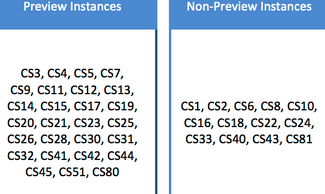
Key Winter 16 Features for Salesforce Developers
Winter 16 delivered several features that enhanced developer productivity and platform capabilities:
Setup Audit Fields Enhancement
The setup audit fields feature allowed administrators to track who created and last modified records, even for data imported before the feature was enabled. This addressed a long-standing gap in data governance.
Inactive User Record Management
Winter 16 introduced the ability to update records owned by inactive users without reactivating their licenses. This simplified data management when employees left organizations.
Lightning Experience Reports and Dashboards
The Lightning Experience received significant updates for reports and dashboards, moving closer to feature parity with Salesforce Classic.
Changeset Deployment Testing
Developers gained the ability to run specified test classes during changeset deployment, providing more control over the deployment process and reducing deployment times.
Enhanced Security Features
Winter 16 included new security and identity features that strengthened platform security and compliance capabilities.
SFDC Platform Evolution Context
Understanding Winter 16 helps contextualize Salesforce’s platform evolution. SFDC (Salesforce.com) has continued this pattern of three annual releases, each building on previous functionality while introducing new capabilities.
For current Salesforce administrators and developers, Winter 16 represents an important milestone in the platform’s journey toward Lightning Experience adoption and enhanced developer tools.
Salesforce Release Notes Access
Current Salesforce release notes are available at releasenotes.docs.salesforce.com. Each release follows a similar pattern to Winter 16, with preview periods, sandbox upgrades, and phased production rollouts.
For comprehensive Salesforce training and tutorials covering current releases, explore our SFDC tutorial resources and admin interview preparation materials.
Frequently Asked Questions
What does SFDC stand for in Salesforce context?
SFDC stands for Salesforce.com, the company’s original domain and stock ticker symbol. It’s commonly used as shorthand for the Salesforce platform and ecosystem.
Where can I find current Salesforce release notes?
Current Salesforce release notes are published at releasenotes.docs.salesforce.com. Each seasonal release (Spring, Summer, Winter) includes detailed feature documentation, API changes, and implementation guidance.
How do Salesforce release schedules work?
Salesforce follows a predictable three-release annual schedule: Spring, Summer, and Winter. Each release includes preview periods, sandbox upgrades, and phased production deployments over multiple weekends to ensure stability.
What were the most important Winter 16 features for developers?
Key Winter 16 developer features included setup audit fields for data governance, enhanced changeset testing capabilities, Lightning Experience improvements, and better inactive user record management. These features improved both development workflows and data management capabilities.