Salesforce founded its company on March 8, 1999, in San Francisco, when Marc Benioff, Parker Harris, Frank Dominguez, and Dave Moellenhoff began building a browser-based CRM service. If you are asking when did Salesforce start, the practical answer is March 1999; if you are asking how long has Salesforce been around, it has been around 27 years, 2 months, and 28 days as of June 5, 2026.
This guide explains the Salesforce founded timeline, the main product milestones, and why the Salesforce history still matters for admins, developers, architects, and product owners who run enterprise orgs today.
Salesforce Founded: date, founders, and first idea
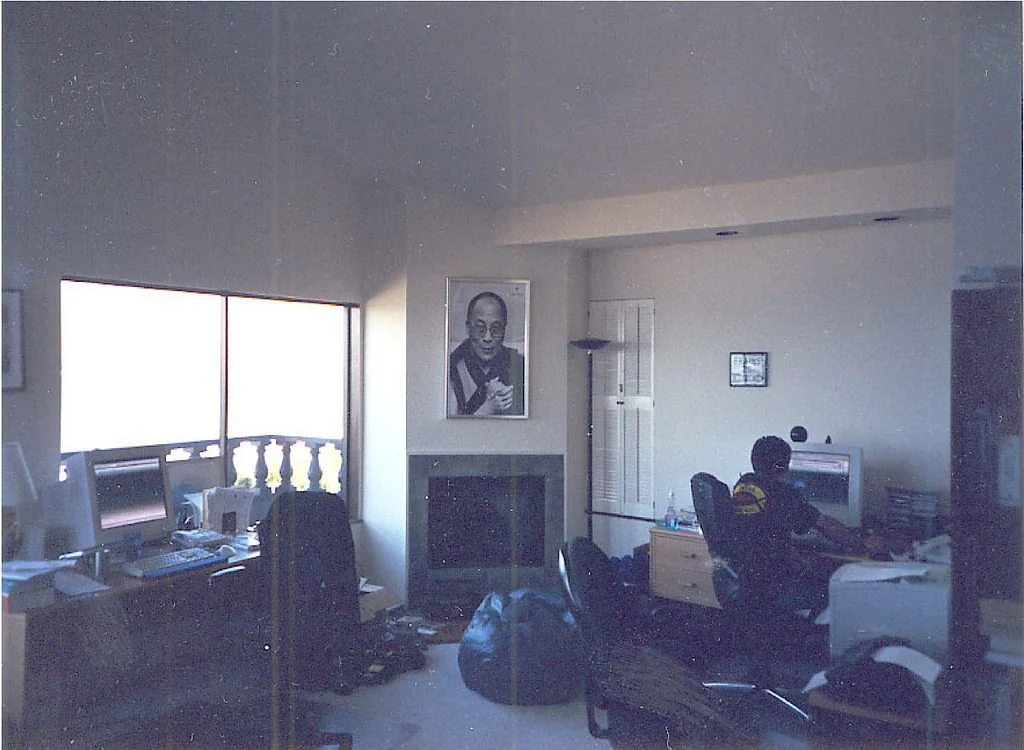
The official Salesforce anniversary story records March 8, 1999, as the start date and names Marc Benioff, Parker Harris, Frank Dominguez, and Dave Moellenhoff as the founding team. The first office was a small apartment in San Francisco, not a campus, tower, or enterprise software lab. That detail matters because Salesforce founded the business around a delivery model first: CRM through the web, paid through subscription, and upgraded by the provider.
For readers who need a source to cite in a presentation, use Salesforce’s own company history and anniversary pages rather than unsourced summaries. The official Salesforce history page also lists early milestones such as the first Dreamforce in 2003, the 2004 IPO, and the 2005 introduction of AppExchange.
When did Salesforce start?
When did Salesforce start is usually answered with the founding date: March 8, 1999. Product activity followed soon after, but the company date is the clean reference point for resumes, exam notes, training decks, and executive briefings. The Salesforce founded story is also the start of the cloud CRM model that later shaped Sales Cloud, Service Cloud, Platform, AppExchange, Lightning, Data Cloud, and Agentforce.
How long has Salesforce been around?
How long has Salesforce been around depends on the date you measure from. From March 8, 1999 to June 5, 2026, Salesforce has been around 27 years, 2 months, and 28 days. For most business writing in 2026, saying “more than 27 years” is accurate. For evergreen content, say “Salesforce was founded in 1999” so the sentence does not become stale next year.
Salesforce company overview history in one table
| Question | Answer | Why it matters |
|---|---|---|
| Founded date | March 8, 1999 | Use this date for Salesforce founded facts and company history references. |
| Founders | Marc Benioff, Parker Harris, Frank Dominguez, Dave Moellenhoff | These names appear in Salesforce’s own anniversary material. |
| First location | San Francisco, California | The first office is part of the company’s early cloud CRM story. |
| Original product idea | CRM delivered through the web | This explains why Salesforce became associated with SaaS and subscription software. |
| Current planning context | Admins and architects now plan around seasonal releases, APIs, automation, data, and AI | The early model still affects release management and org governance in 2026. |
Salesforce history timeline for admins and architects
A useful Salesforce history timeline should not only list dates. It should explain what each milestone changed for implementation teams. In enterprise orgs, history shows why Salesforce projects combine product configuration, metadata governance, release testing, partner packages, data architecture, and user training.
1999 to 2004: Salesforce company overview history from startup to IPO
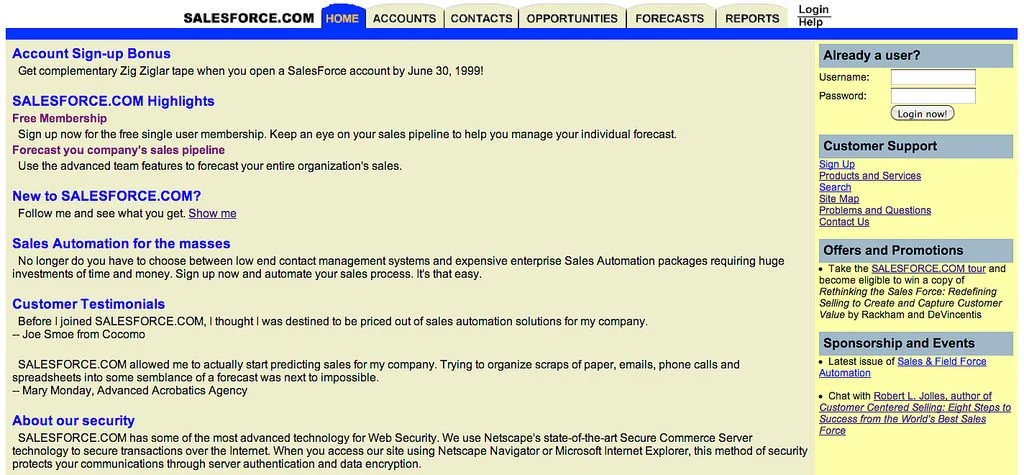
The early salesforce company overview history begins with the 1999 founding, rapid product development, international expansion, and the 2004 public offering. The important implementation lesson is that Salesforce was built as a shared cloud service, not as software each customer installed on a local server. Admins still see that model every release cycle: Salesforce ships platform changes, customers test in sandboxes, and teams decide which features to enable.
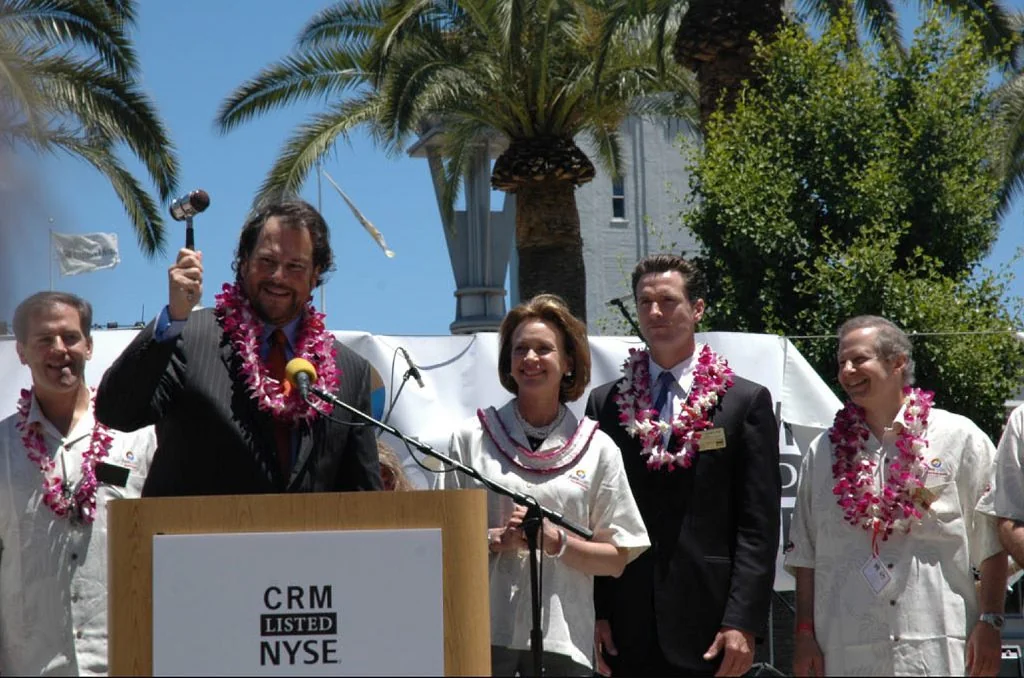
By 2003, Dreamforce had started as a customer and ecosystem event. By 2004, Salesforce had completed its IPO. These years explain why the ecosystem grew around roles such as Salesforce Admin, Consultant, Developer, Architect, ISV partner, and trainer.
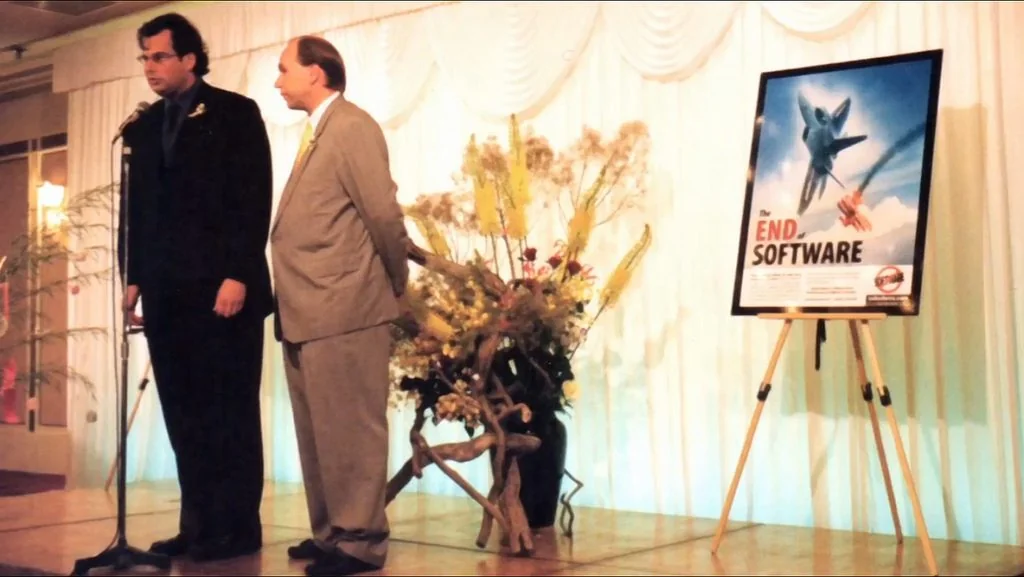
2000 product launch and the No Software message
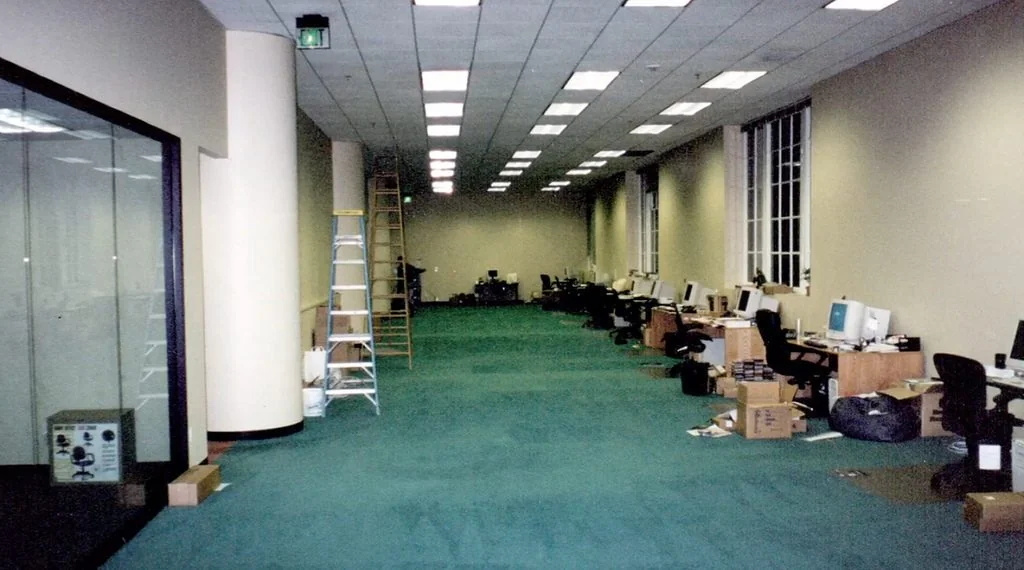
The early launch messaging made one point clear: Salesforce wanted customers to avoid local enterprise software installs, long upgrade projects, and server maintenance tied to CRM. You should not read the phrase as “no technology.” Salesforce runs on platform services, metadata, APIs, security controls, automation, and release management. The better technical reading is “no customer-managed CRM software stack.”
That difference matters during stakeholder conversations. A business sponsor may remember the simple cloud story, while an architect must still plan identity, data residency, integration patterns, backup, sandbox strategy, and permissions. Salesforce founded a SaaS CRM company, but large orgs still need disciplined platform engineering.
2003 to 2005: Dreamforce and AppExchange enter Salesforce history
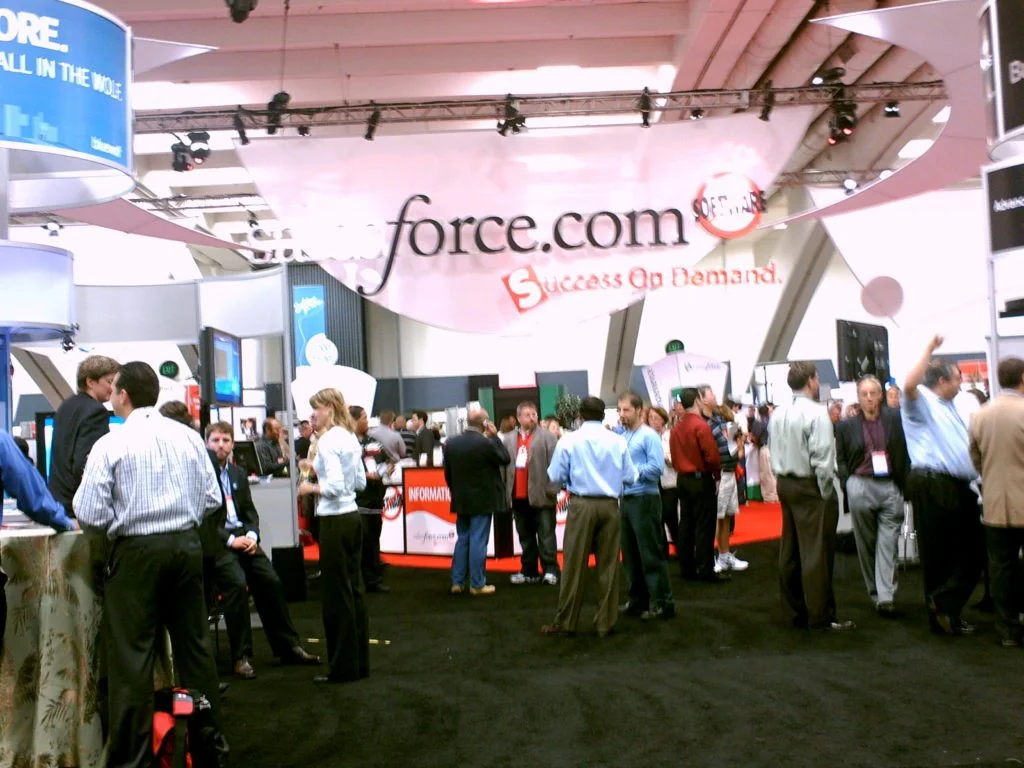
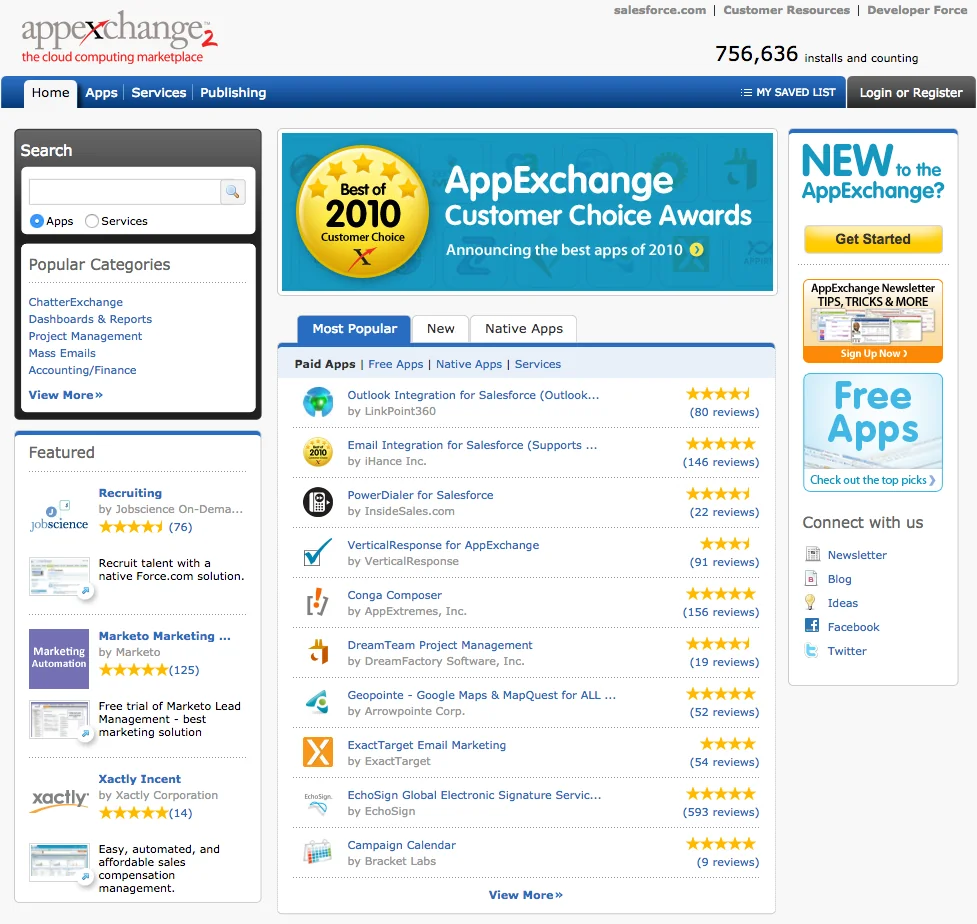
Dreamforce started in 2003, and AppExchange was introduced in 2005. These milestones changed how teams learned and extended Salesforce. A customer could attend sessions, learn product direction, then use partner apps to add functions that did not need to be built from scratch.
AppExchange also added a governance problem that still exists. Before installing a managed package, an admin should review package scope, data access, security review status, license terms, namespace impact, support model, and sandbox test results. The Salesforce founded cloud model made installation easier, but it did not remove due diligence.
2006 onward: Platform, Apex, Visualforce, Lightning, and AI
Salesforce moved from CRM application to application platform over several releases. Apex gave developers a server-side language for business logic. Visualforce supported custom page development. Lightning later introduced component-based user interface development, and Lightning Web Components use modern web standards for Salesforce UI work. For current implementation work, use the official Apex Developer Guide and Lightning Web Components Developer Guide before copying old examples from blogs.
The modern platform adds data, integration, automation, analytics, and AI services. The Summer ’26 release notes and current Salesforce releases should be checked before enabling release-specific capabilities, especially when a feature is marked Beta, Pilot, or has org-specific eligibility. This is important because Salesforce history shows a pattern: new product names arrive, but production teams must still validate permissions, limits, data model, audit controls, and rollback paths.
What Salesforce founded changed technically
The phrase Salesforce founded is not only a trivia answer. It marks a shift from installed CRM software to metadata-driven cloud applications. For admins and developers, that shift created three habits that still matter in 2026: configure first, extend with code only when needed, and test release changes before production rollout.
From installed software to metadata-driven releases
Salesforce orgs store much of the application definition as metadata: objects, fields, layouts, flows, permission sets, validation rules, Apex, Lightning components, and other configuration. Seasonal releases can change available settings, API versions, user interface behavior, and platform limits. This is why release preview sandboxes and regression testing are not optional in mature orgs.
For related platform concepts, see our guides on Salesforce products and cloud categories, Salesforce AI features, and Salesforce Data Cloud architecture.
How architects can audit old API versions
One practical way to connect Salesforce history to a live org is to audit metadata API versions. Older Apex classes and Lightning components may still compile, but version gaps can hide technical debt. Run Tooling API queries in a sandbox or through a controlled DevOps process, not directly as an ad hoc production change.
-- Run with Tooling API enabled.
-- Review older Apex classes before changing API versions.
SELECT Id, Name, NamespacePrefix, ApiVersion, Status
FROM ApexClass
WHERE ApiVersion < 60.0
ORDER BY ApiVersion ASC, Name ASC
-- LightningComponentBundle represents Lightning web component bundles.
-- Test each component after an API version change.
SELECT Id, DeveloperName, NamespacePrefix, ApiVersion
FROM LightningComponentBundle
WHERE ApiVersion < 60.0
ORDER BY ApiVersion ASC, DeveloperName ASCDo not bulk-update API versions only to make the numbers look current. API version changes can alter compiler behavior, available methods, Lightning behavior, or integration responses. In enterprise orgs, review source control, run Apex tests, validate UI flows, check package constraints, and deploy through the same path used for any other metadata change. Salesforce recommends using current API versions when possible, but the upgrade decision should include testing.
Governor limits and release history
Because Salesforce is multi-tenant, Apex and platform automation run under governor limits. The original SaaS model explains why those limits exist: one customer’s logic cannot consume shared resources without controls. A history article cannot list every current limit safely because limits vary by feature and release. For code reviews, check the official Apex Developer Guide and release notes, then test with realistic data volume.
Best practices for using Salesforce history in 2026 planning
Use the Salesforce founded date as the starting point, but use current Salesforce documentation for implementation decisions. The Salesforce founded fact answers a date question; it does not replace release-specific validation. A history page helps executives understand direction; a release note and developer guide help teams avoid broken deployments.
1. Separate company history from platform behavior
Company milestones explain why Salesforce matters, but they do not prove how a feature behaves in your org. For example, knowing when AppExchange started does not tell you whether a package can access a specific object. Knowing when Lightning launched does not tell you whether a custom Aura component should be replaced with LWC. Confirm behavior in official docs and in a sandbox.
2. Tie history to your org inventory
The Salesforce founded timeline becomes useful when it leads to a yearly architecture review. Create a yearly architecture review that includes installed packages, Apex classes, triggers, flows, integrations, permission model, API versions, and unused metadata. This turns Salesforce history from trivia into a maintenance checklist. Older orgs often carry Classic-era layouts, Visualforce pages, workflow rules, and unmanaged customizations that need review before a major transformation.
3. Keep release notes in the delivery process
Salesforce uses seasonal releases. For 2026, teams should follow the official release notes and Salesforce Releases page, then test changes in preview sandboxes before production. If a feature is Beta or Pilot, document that status in your design decision log and avoid making it a hard dependency without stakeholder approval.
4. Use official sources in training material
For admin onboarding, cite the official company history, Trailhead platform basics, Apex Developer Guide, LWC Developer Guide, and Release Notes. For site context, link readers to Salesforce CEO and leadership background and Salesforce Agentforce certification guidance when the discussion moves from history to skills.
Common errors with Salesforce founded facts
| Error | Correction | Why it matters |
|---|---|---|
| Saying Salesforce started in 2000 | Use March 8, 1999 as the founded date. | 2000 is closer to product launch messaging, not the founding date. |
| Listing only Marc Benioff as founder | Include Marc Benioff, Parker Harris, Frank Dominguez, and Dave Moellenhoff. | Salesforce’s own anniversary material names all four. |
| Treating “No Software” as no technical work | Explain it as customer relief from installed CRM software. | Salesforce projects still require architecture, security, testing, and operations. |
| Using history to justify current design choices | Use current official docs and release notes for design decisions. | Platform behavior changes by release, edition, license, and API version. |
Official sources for Salesforce founded research
Use these official sources when you need to verify Salesforce founded facts or current platform behavior. The Salesforce founded date should come from official Salesforce material, while implementation details should come from developer documentation:
- Salesforce anniversary note with the March 8, 1999 founding date
- Official Salesforce history timeline
- Salesforce Summer ’26 Release Notes
- Tooling API documentation for metadata inspection
- Lightning Web Components Developer Guide
Frequently Asked Questions
When was Salesforce founded?
Salesforce was founded on March 8, 1999, in San Francisco. The official Salesforce founded record names Marc Benioff, Parker Harris, Frank Dominguez, and Dave Moellenhoff as the founding team.
How long has Salesforce been around in 2026?
As of June 5, 2026, Salesforce has been around 27 years, 2 months, and 28 days. For most evergreen writing, use “Salesforce was founded in 1999” rather than a live age that becomes outdated.
When did Salesforce start selling cloud CRM?
Salesforce started as a cloud CRM company after its 1999 founding and became known for delivering CRM through the web instead of requiring customer-managed CRM installations. The exact product rollout timeline should be cited from Salesforce’s official company history when used in formal material.
Why does Salesforce history matter for admins?
Salesforce history matters because the company’s SaaS model explains how admins work today: frequent releases, metadata configuration, sandbox testing, AppExchange package review, permission governance, and user training. The history gives context, but current release notes and help documentation should guide implementation decisions.
Is Salesforce still only a CRM company?
No. Salesforce still centers on customer relationship management, but the platform now includes sales, service, marketing, commerce, analytics, integration, data, automation, and AI capabilities. For a current product breakdown, review official Salesforce product pages and release notes before making architecture decisions.