Salesforce campaign planning is the foundation of successful marketing automation in Salesforce CRM. In our previous Salesforce campaign management tutorial, we covered the basics of marketing administration. This comprehensive guide focuses on strategic campaign planning methodologies that drive measurable results.
Effective Salesforce campaign planning requires a systematic approach. When working with campaigns in Salesforce CRM, marketing teams follow six core steps:
- Campaign Planning
- Campaign Setup
- Campaign Creation
- Campaign Execution
- Campaign Responses
- Campaign Effectiveness
What is Salesforce Campaign Planning?
Salesforce campaign planning involves defining marketing objectives, target audiences, and success metrics before creating campaigns in your Salesforce org. Every marketing team must establish clear goals and processes for campaign types, audience segmentation, and ROI measurement.
Strategic planning ensures campaigns align with business objectives and deliver measurable results through proper targeting and customer segmentation.
Campaign Types in Salesforce
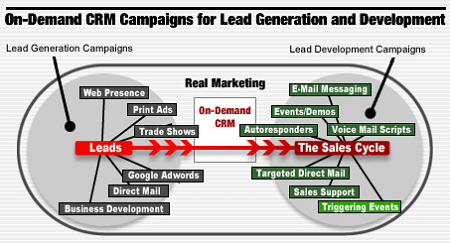
Salesforce supports multiple campaign types for different marketing channels:
- Email Marketing Campaigns – Mass marketing emails and drip campaigns
- Event Marketing – Conferences, webinars, and trade shows
- Direct Mail – Physical mailings and promotional materials
- Digital Advertising – Pay-per-click and display advertisements
- Field Marketing – Road shows and regional events
- Online Advertising – Banner ads and retargeting campaigns
- Search Marketing – Google Ads and keyword campaigns
- Social Media – Facebook, LinkedIn, and Twitter advertising
Target Audience Analysis and Segmentation
Successful campaign planning requires analyzing target audiences to determine whether campaigns should focus on existing customers, qualified leads, or new prospects. Salesforce provides powerful segmentation tools:
- Lead Scoring – Prioritize leads based on engagement and fit
- Lead Status – Track progression through the sales funnel
- Account Hierarchy – Target decision-makers within organizations
- Custom Fields – Segment by industry, company size, or behavior
Campaign Customization and Field Configuration
Create custom campaign fields early in the planning process to enable advanced targeting and segmentation. Customizing campaigns allows marketing teams to:
- Track campaign-specific metrics and KPIs
- Compare effectiveness across different campaign types
- Analyze ROI by channel, audience, or time period
- Integrate with marketing automation tools
- Generate detailed reports for stakeholders
Custom fields enable granular analysis of which campaign types deliver the best results for sales and marketing teams.
New Lead Acquisition Strategies
When targeting new leads, marketing teams often work with third-party data providers. These external lists containing suspects, prospects, or leads should be flagged in Salesforce with specific indicators:
- Lead Source – Track the origin of each lead record
- Data Quality Flags – Mark records requiring validation
- Queue Assignment – Route leads to appropriate teams
- De-duplication Process – Prevent duplicate records in your database
Proper flagging and queue management ensure new lead records remain separate from existing prospects until pre-qualification and data cleansing are complete.
Pre-Campaign Planning Checklist
Before creating campaigns in Salesforce, complete these essential planning steps:
- Marketing Plan Development – Map out your complete marketing strategy and project timeline
- Business Case Framework – Define budget, resources, and expected outcomes for each campaign
- Success Metrics Definition – Establish clear KPIs and response tracking methods
- Project Plan Creation – Develop detailed timelines with task assignments and deadlines
Success metrics determine whether campaigns justify the investment of money, time, and resources. Common metrics include cost per lead, conversion rates, and revenue attribution.
Campaign Integration Patterns
Modern Salesforce campaign planning incorporates integration with external marketing tools:
- Marketing Cloud Integration – Sync campaign data with Journey Builder
- Pardot Integration – Connect B2B marketing automation workflows
- Third-party Tools – Integrate with HubSpot, Marketo, or other platforms
- Analytics Platforms – Connect Google Analytics and attribution tools
These integration patterns enable comprehensive campaign tracking across multiple touchpoints and channels.
Campaign Security and Access Control
Implement proper security measures for campaign data:
- Profile Permissions – Control who can create, edit, and delete campaigns
- Field-Level Security – Restrict access to sensitive campaign information
- Sharing Rules – Define campaign visibility across teams and regions
- Role Hierarchy – Ensure appropriate management oversight
Security planning prevents unauthorized access to campaign data and maintains compliance with data protection regulations.
Frequently Asked Questions
What are the key components of Salesforce campaign planning?
Salesforce campaign planning includes six core components: planning, setup, creation, execution, response tracking, and effectiveness measurement. Each component requires specific configuration and strategic decisions about targeting, messaging, and success metrics.
How do you segment audiences for Salesforce campaigns?
Audience segmentation uses lead scoring, lead status, account hierarchy, and custom fields to target specific groups. You can segment by existing customers, qualified leads, or new prospects, with additional criteria like industry, company size, engagement level, and geographic location.
What campaign types work best in Salesforce?
Effective campaign types include email marketing, event marketing, direct mail, digital advertising, field marketing, and social media campaigns. The best type depends on your target audience, budget, and business objectives. B2B companies often see success with email nurturing and event marketing.
How do you measure campaign effectiveness in Salesforce?
Campaign effectiveness is measured through response rates, conversion rates, cost per lead, revenue attribution, and ROI calculations. Set up campaign influence tracking and create custom reports to analyze which campaigns drive the most qualified leads and closed opportunities.
What security considerations apply to Salesforce campaigns?
Campaign security involves profile permissions, field-level security, sharing rules, and role hierarchy configuration. Restrict campaign creation and editing to authorized users, protect sensitive data with field-level security, and ensure proper visibility controls across teams and regions.
In our next Salesforce tutorial, we’ll cover how to configure campaign settings in Salesforce for optimal performance and tracking.