This tutorial covers how to add products and price books to opportunities in Salesforce. Products are individual items from your organization’s universal product catalog. After creating a product, you can associate it with multiple price books at different prices.
In Salesforce, products can be scheduled based on quantity, revenue, or both. You can add products to opportunities to track what you’re selling and calculate accurate revenue forecasts.
Standard Product Fields in Salesforce
When creating a new product in Salesforce, you’ll work with these standard fields:
- Product Name: Clear, recognizable name for the product
- Product Code: Internal identifier or SKU for the product
- Product Description: Text that distinguishes this product from others
- Product Family: Category classification that automatically maps the product to its family
- Quantity Scheduling Enabled: Check this box to enable quantity-based scheduling
- Revenue Scheduling Enabled: Check this box to enable revenue-based scheduling
How to Add Products to Opportunities: Step-by-Step Process
Follow these steps to add a product to an opportunity:
- Create a product in Salesforce
- Navigate to the opportunity detail page
- Go to the Products related list
- Select the price book
- Choose the price book from the dropdown and save
Creating a New Product in Salesforce
To create a new product, go to the Products Tab.

Click the New button to add a new product.

Enter the required product details including product name, product code, and product description.
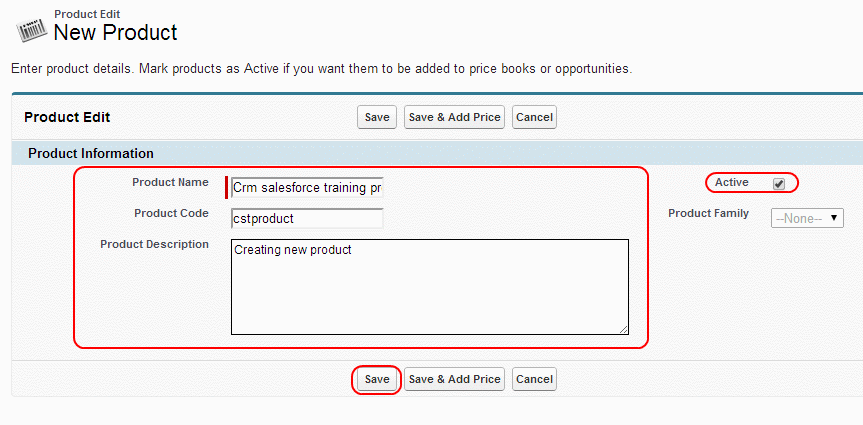
Click Save & Add Price to proceed to pricing setup.

Adding Products to Price Books
Select the Price Book where you want to add this product.
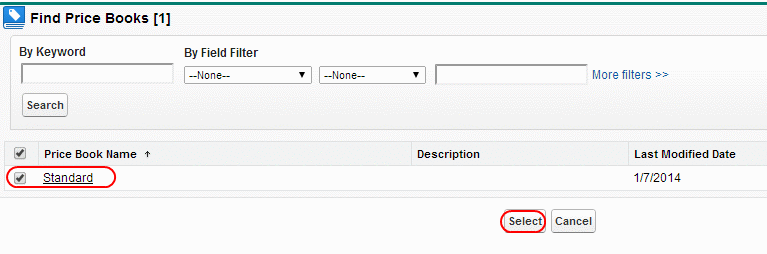
Click Select to confirm your price book choice.
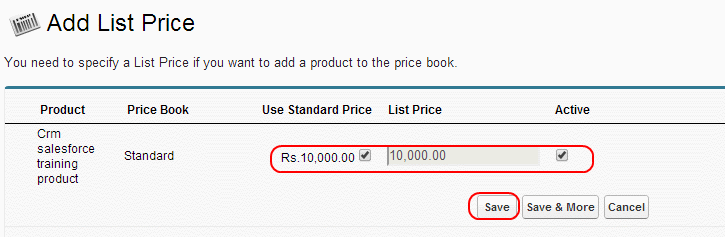
Enter the list price for this product. If the price is the same across all price books, check Use Standard Price and click Save.
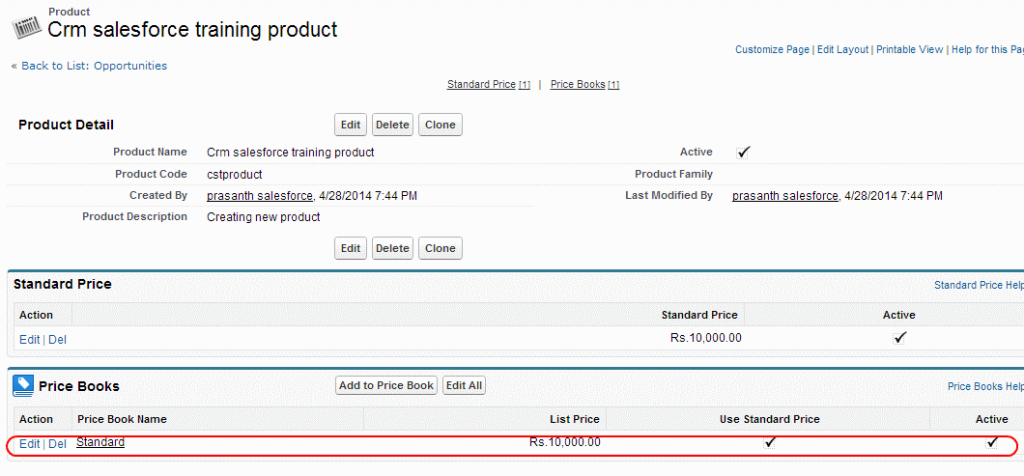
Adding Products to Opportunities
Navigate to the Opportunities Tab.

Select the opportunity where you want to add the product.
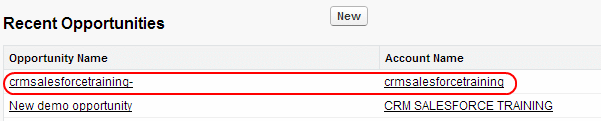
In the opportunity detail view, scroll down to the Products section.

Click Add Product to see the available product list. Select the product you want to add.

Choose the product from the list by clicking its name.
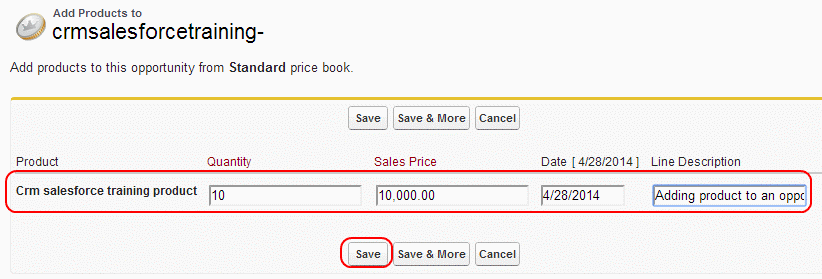
Enter the quantity, sales price, and date for this opportunity product line item.
Salesforce Product and Price Book Best Practices
- Product Families: Use consistent product families to organize your product catalog and enable better reporting
- Price Book Strategy: Create separate price books for different markets, currencies, or customer segments
- Product Codes: Maintain unique, meaningful product codes that integrate with your ERP or inventory systems
- Revenue Scheduling: Enable revenue scheduling for subscription products or services delivered over time
- Quantity Scheduling: Use quantity scheduling for products delivered in multiple shipments
Common Issues and Solutions
Product Not Appearing in Opportunity
If a product doesn’t appear when adding to an opportunity, verify:
- The product is active
- The product exists in the opportunity’s price book
- You have the correct permissions to view the product
- The opportunity has a price book selected
Price Book Requirements
Every opportunity must have a price book before you can add products. The Standard Price Book is created automatically, but you can create custom price books for different scenarios.
Integration with Salesforce CPQ
For complex pricing scenarios, consider Salesforce CPQ (Configure, Price, Quote). CPQ extends the standard product and pricing functionality with:
- Advanced pricing rules and discounting
- Product bundling and configuration
- Quote generation and approval workflows
- Subscription and usage-based pricing models
Frequently Asked Questions
What is the difference between a product and a price book entry in Salesforce?
A product is the master record that defines what you sell. A price book entry connects a product to a specific price book with a defined price. One product can have multiple price book entries at different prices.
Can I add products to opportunities without a price book?
No, every opportunity must have a price book selected before you can add products. Salesforce automatically creates a Standard Price Book, but you must add your products to it first.
How do I handle products with different prices for different customers?
Create separate price books for different customer segments, regions, or pricing tiers. Add the same product to multiple price books with different prices, then select the appropriate price book on each opportunity.
What happens to opportunity products when I deactivate a product?
Existing opportunity products remain unchanged when you deactivate a product. However, you cannot add the deactivated product to new opportunities until you reactivate it.
Can I change the price of a product on an opportunity after adding it?
Yes, you can edit the sales price of individual opportunity products. This creates an opportunity-specific price that doesn’t affect the price book entry or other opportunities.