Converting 15-digit Salesforce IDs to 18-digit format solves case sensitivity issues when integrating with external systems. This tutorial shows you how to create a formula field that automatically converts any 15-digit Salesforce ID to its 18-digit equivalent.
Understanding Salesforce ID Structure
Every record in Salesforce has a unique 15-character ID by default. This ID contains:
- Numeric digits (0-9)
- Lowercase letters (a-z)
- Uppercase letters (A-Z)
The 15-digit ID is case-sensitive, meaning 100000000000ABC differs from 100000000000abc. External systems like Microsoft Excel, MS Access, and SQL Server don’t recognize case differences, creating data integration challenges.
Salesforce addresses this with 18-digit IDs that are case-insensitive. The 18-digit format adds a 3-character suffix to the original 15-character ID, making it safe for external system integration.
When to Use 18-Digit Salesforce IDs
Use 18-digit IDs when:
- Exporting data to external databases
- Building integrations with case-insensitive systems
- Creating data loader templates
- Working with reporting tools that don’t preserve case
- Developing custom applications that reference Salesforce records
Creating Formula Field for ID Conversion
Follow these steps to create a formula field that converts 15-digit opportunity IDs to 18-digit format:
Step 1: Access Setup
Go to Setup.

Step 2: Navigate to Opportunity Fields
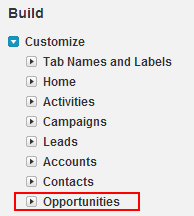
Go to Customize => Opportunities
Step 3: Access Fields Section
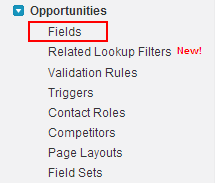
Select Fields.
Step 4: Create New Custom Field
In the Opportunity Custom Fields & Relationships section, click New.

Step 5: Select Formula Field Type
Choose Formula as the field type.
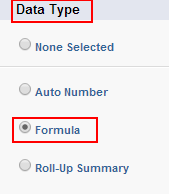
Click Next.
Step 6: Configure Field Properties
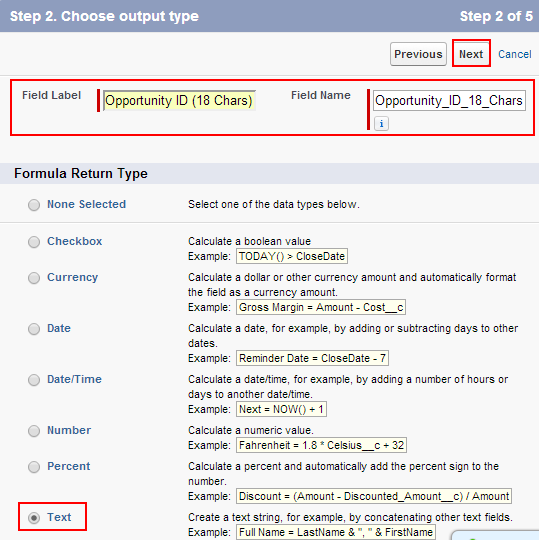
Enter these field details:
- Field Label: Opportunity ID (18 Chars)
- Field Name: Auto-populated when you click elsewhere
- Formula Return Type: Text
Click Next.
Step 7: Enter Formula Code
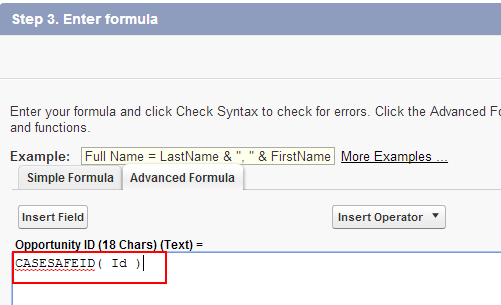
Paste this formula code in the formula editor:
CASESAFEID(Id)The CASESAFEID() function converts any 15-character Salesforce ID to its 18-character equivalent. This built-in function handles the complex algorithm that generates the 3-character suffix.
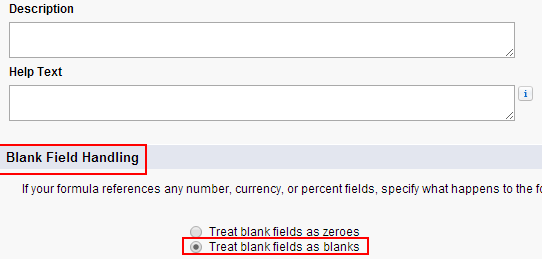
In the Blank Field Handling section, select Treat blank fields as blanks.
Step 8: Set Field Visibility
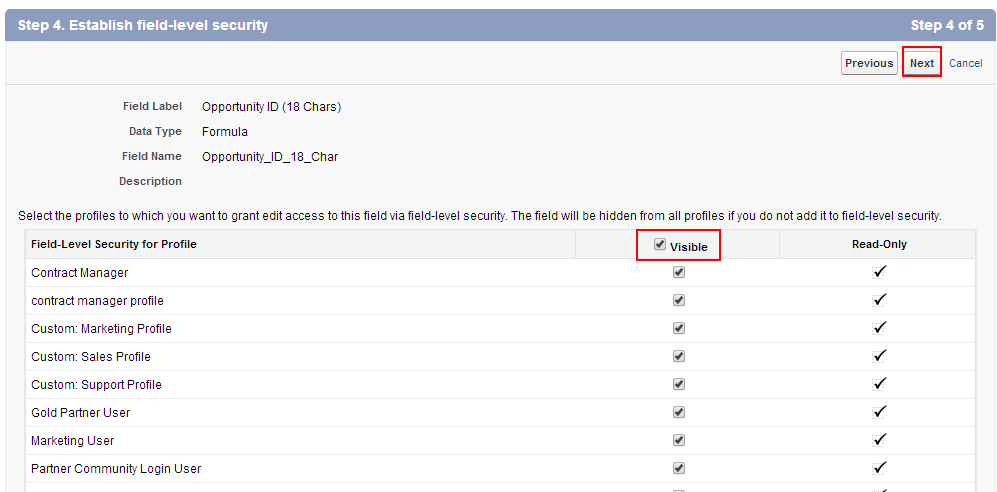
Check Visible for all profiles that need access to this field. Click Next.
Step 9: Add to Page Layouts
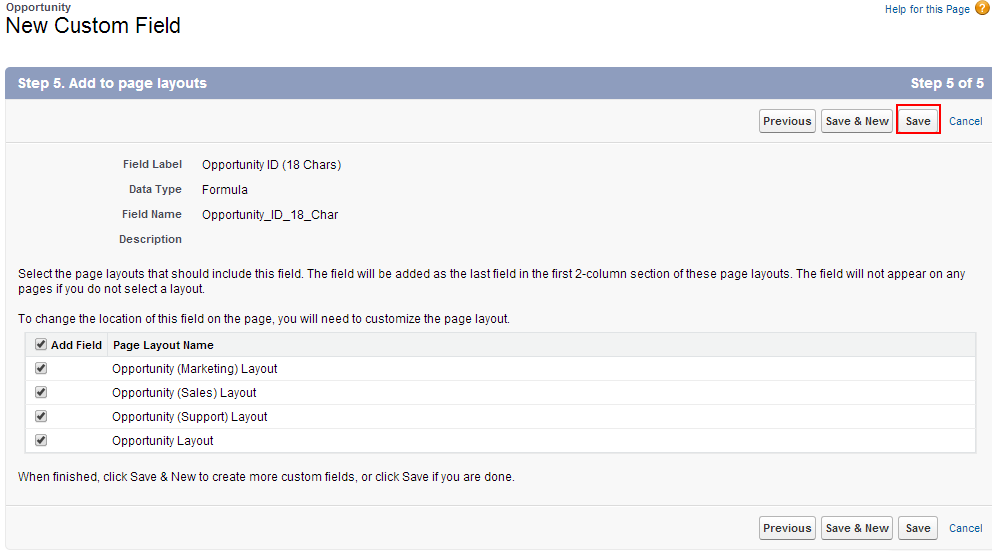
Select the page layouts where this field should appear. Click Save.
Viewing the 18-Digit ID
After saving, navigate to any opportunity record. The formula field displays the 18-digit ID:
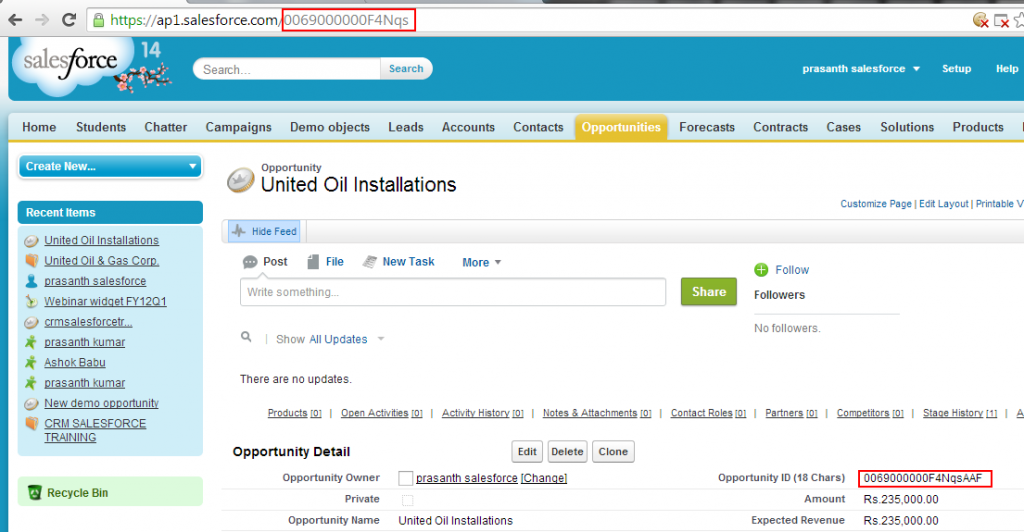
The formula field appears on the opportunity detail page and displays the 18-digit case-insensitive ID.
Alternative Methods for ID Conversion
Using Apex Code
For programmatic conversion, use this Apex method:
// Convert 15-digit ID to 18-digit format
String fifteenDigitId = '006000000000001';
String eighteenDigitId = String.valueOf(fifteenDigitId);
// Apex automatically converts to 18-digit when assigning to Id type
Id convertedId = fifteenDigitId;
System.debug('18-digit ID: ' + convertedId);
Using Data Loader
When exporting data via Data Loader, Salesforce automatically provides 18-digit IDs in the export file. This eliminates manual conversion for bulk data operations.
Best Practices for Salesforce ID Management
- Use 18-digit IDs for all external integrations
- Store both formats if your integration requires 15-digit IDs internally
- Validate ID format in Apex using
Id.valueOf()method - Document ID requirements in integration specifications
- Test with both formats during development
Common Integration Patterns
Salesforce admins frequently need ID conversion for:
- Data migration projects – Converting legacy system IDs
- API integrations – Ensuring consistent ID format across systems
- Reporting tools – Maintaining referential integrity in external reports
- Custom applications – Building lookup functionality
Troubleshooting ID Conversion Issues
If the formula field doesn’t display correctly:
- Verify the
CASESAFEID(Id)formula syntax - Check field visibility settings for your profile
- Ensure the field is added to the page layout
- Refresh the page after making changes
For Apex development, remember that governor limits apply when processing large volumes of ID conversions in batch operations.
Frequently Asked Questions
What is the difference between 15-digit and 18-digit Salesforce IDs?
15-digit IDs are case-sensitive and contain letters and numbers. 18-digit IDs add a 3-character suffix that makes them case-insensitive, solving integration issues with external systems that don’t preserve case.
Can I use this formula for other objects besides opportunities?
Yes, the CASESAFEID(Id) formula works on any Salesforce object. Simply create the formula field on accounts, contacts, leads, or custom objects using the same steps.
Why do external systems need 18-digit Salesforce IDs?
External systems like Excel, SQL Server, and Access treat uppercase and lowercase letters as identical. This causes data integrity issues when matching records. 18-digit IDs eliminate this problem by being case-insensitive.
Does the CASESAFEID function work in Apex code?
CASESAFEID is a formula function, not an Apex method. In Apex, convert IDs by assigning a 15-digit string to an Id variable, which automatically converts to 18-digit format.
Will this formula field count against my custom field limits?
Yes, formula fields count toward your organization’s custom field limits. Each object has specific limits based on your Salesforce edition (Professional: 10, Enterprise: 500, Unlimited: 800 custom fields per object).