Important Notice: Salesforce Customer Portals were retired in 2020 and replaced by Salesforce Communities (now called Experience Cloud). This guide covers the legacy Customer Portal feature for historical reference and organizations still using older Salesforce implementations.
Enabling Salesforce Customer Portal was the primary step when dealing with customer portal functionality in Salesforce. Customer portals provided a way to share information with customers and external users before the introduction of Communities.
Why Enable Salesforce Customer Portal?
Customer portals allowed organizations to:
- Share account and case information with customers
- Provide self-service capabilities for external users
- Extend Salesforce functionality beyond internal users
- Create branded customer-facing interfaces
Without enabling the customer portal, organizations could not provide external access to Salesforce data. All necessary customizations, settings, and features became available only after enabling the customer portal.
How to Enable Salesforce Customer Portal
Prerequisites:
- System Administrator profile or equivalent permissions
- Understanding of sharing rules and folder permissions
- Account and Contact objects properly configured
Follow these steps to enable Salesforce Customer Portal:
- Navigate to Setup → Customize → Customer Portal → Settings
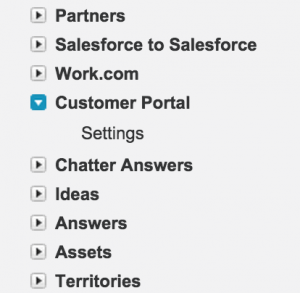
[Image: Screenshot shows Classic UI navigation – recommend updating to Lightning Experience for current implementations]
- Click the Settings button to begin activation
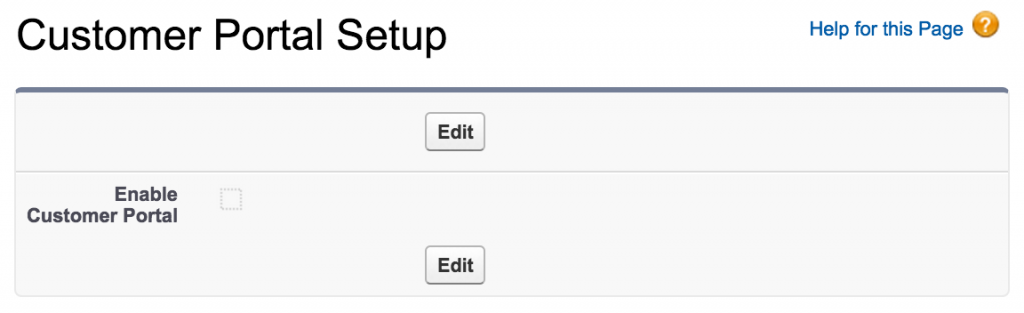
- Click the Edit button to modify portal settings
- Check the “Enable Customer Portal” checkbox
- Click Save
- A confirmation window opens – click Continue to proceed with the setup wizard
Customer Portal Setup Wizard
After enabling the customer portal, Salesforce guides you through a three-step configuration process:
Step 1: Configure Sharing Rules
Select which sharing rules should be converted for portal access. This determines what data portal users can access based on their account relationships.
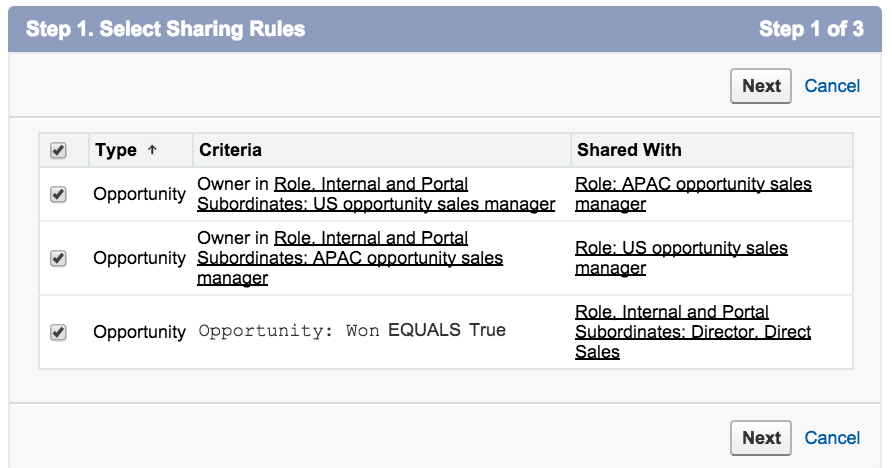
Best Practice: Review existing sharing rules carefully. Portal users inherit sharing based on their associated Account record.
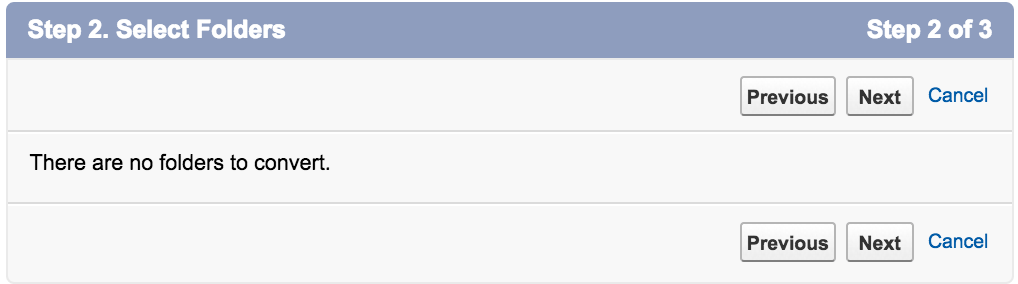
Step 2: Select Document Folders
Choose which document folders portal users can access. This controls visibility of documents, reports, and dashboards.
Step 3: Confirm Settings
Review all configuration choices before finalizing the customer portal setup.
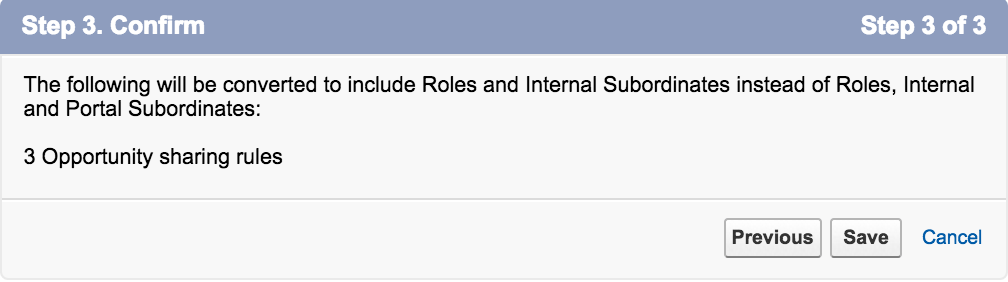
- Review all settings carefully
- Click Save to complete the customer portal activation
Important Considerations
Permanent Change: Once enabled, customer portals cannot be disabled through the standard interface. To prevent portal access, you must deactivate individual portal users or modify their profiles.
Security Model: Portal users operate under a restricted security model:
- Access only records owned by their account or shared via sharing rules
- Cannot access standard Salesforce tabs without explicit permission
- Require portal-specific profiles and roles
Migration to Salesforce Communities
Since Customer Portals are retired, organizations should migrate to Experience Cloud (formerly Communities):
- Experience Builder: Modern drag-and-drop interface builder
- Lightning Components: Enhanced functionality and mobile responsiveness
- Advanced Security: Improved authentication and access controls
- Better Performance: Optimized for modern web standards
For new implementations, use Experience Cloud instead of legacy Customer Portals.
Troubleshooting Common Issues
Portal License Limits: Customer Portal licenses are limited. Check your org’s license allocation before enabling.
Profile Assignment: Portal users require specific portal profiles. Standard user profiles will not work.
Account Relationship: Every portal user must be associated with an Account record through the Contact object.
Frequently Asked Questions
Can I still enable Customer Portals in new Salesforce orgs?
No. Salesforce retired Customer Portals in 2020. New orgs cannot enable this feature. Use Experience Cloud (Communities) for external user access instead.
What’s the difference between Customer Portals and Communities in Salesforce?
Customer Portals were the legacy external access solution with limited customization. Communities (now Experience Cloud) offer modern Lightning components, mobile optimization, advanced branding, and better security features.
How do I migrate from Customer Portal to Communities?
Salesforce provides migration tools and documentation. The process involves creating a new Community, migrating user data, rebuilding custom pages using Lightning components, and testing thoroughly before switching users over.
Can I disable Customer Portal after enabling it?
No, Customer Portals cannot be disabled once enabled. You can prevent access by deactivating portal users, removing portal licenses, or modifying user profiles to remove portal permissions.